by Stephanie Manning
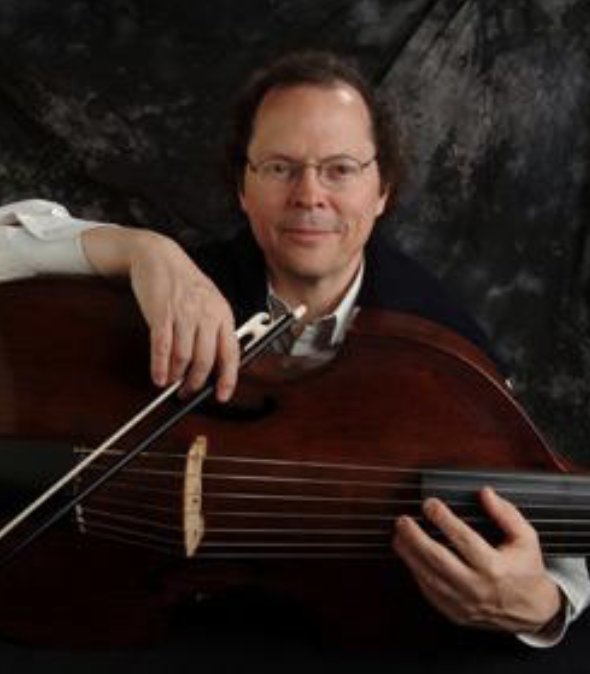 When Oberlin’s Baroque Performance Institute (BPI) began more than half a century ago, dedicated programs for studying and performing early music were almost nonexistent.
“ In the early seventies, it was really the only place where you could study that repertoire in the States,” artistic director Kenneth Slowik said in a recent interview. Thankfully, “nowadays, there are several different options.”
Throughout the decades, the renowned summer workshop has continued its annual meetings, with only a brief pause for the pandemic. From June 15–29, BPI will mark its 53rd year when it welcomes a group of both professional and avocational musicians to Oberlin Conservatory. Performers ages 15 and up will participate in workshops, master classes, and large ensembles under the theme “Music in England from Purcell to Handel.”
Where does BPI fit into today’s early music landscape? “ It still has its place, I think,” Slowik said. “Certainly, the people who come take away a two-week experience that’s unlike anything else they’ve done.”
 Cleveland has become something of a hotbed for chamber music, with a winter season sponsored by the Cleveland Chamber Music Society, two summer series curated by ChamberFest Cleveland and Encore Chamber Music Institute, and an orchestra famous for playing with the precision and nuance of a 90-piece string quartet.
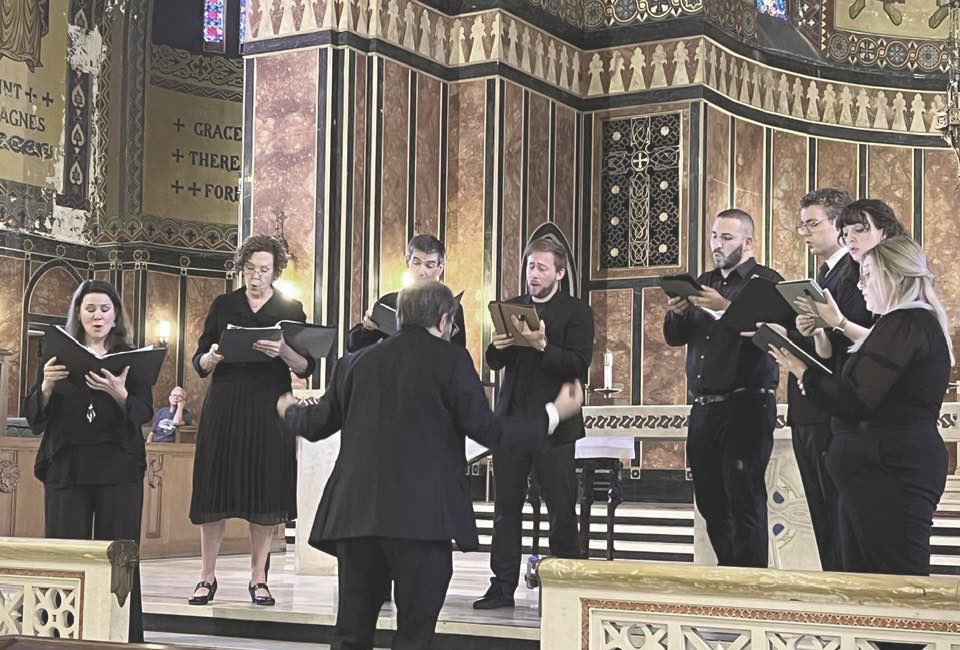
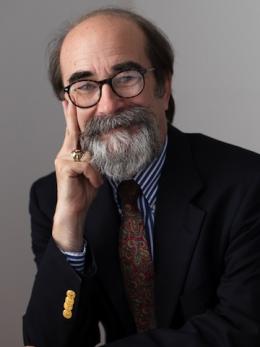 Forming a small vocal ensemble was something that Steven Plank had wanted to do for a long time. And when a surge in COVID cases forced him to reduce the number of singers in the choir at St. Paul’s Episcopal Church, the opportunity arose. “We began doing the liturgy with just eight singers,” Plank said during a telephone conversation. “We were having such a good time that one Thursday evening I asked if they would like to do some concerts. And they all said yes.”
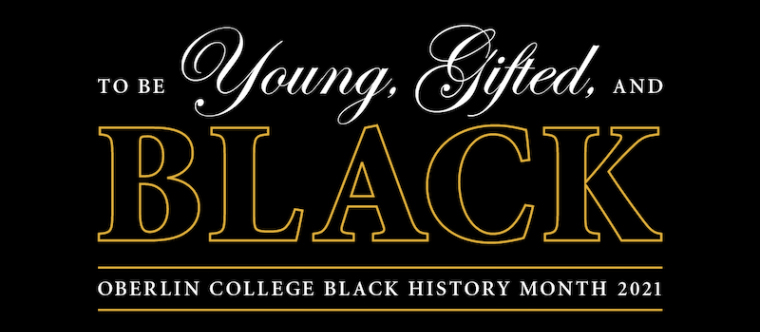 Beginning this week, Oberlin Conservatory will honor Black History Month with a series of events titled
  What is the
  A
A