



by Daniel Hathaway
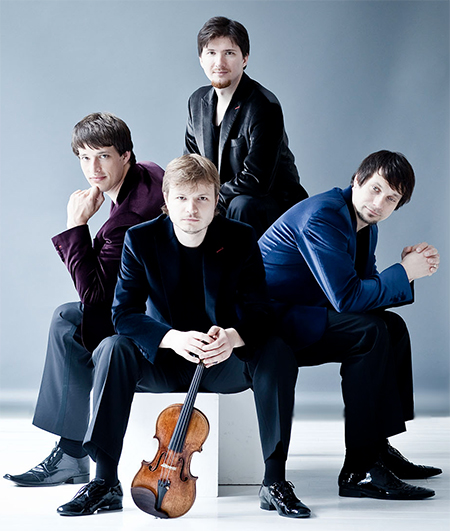 Founded in Vienna in 2006 by four young Polish musicians, the Apollon Musagète Quartet will visit the Cleveland Chamber Music Society series at Plymouth Church in Shaker Heights on Tuesday, February 4 at 7:30 pm.
Violinists Paweł Zalejski and Bartosz Zachłod, violist Piotr Szumieł, and cellist Piotr Skweres, now on a multi-city tour of North America, will bookend their program with Haydn’s Quartet in D, Op. 64, No. 5, “Lark,” and Dvořák’s Quartet in A-flat, Op. 105. Following their custom of featuring at least one work by a Polish composer on each of their concerts, the Quartet will center their program with Krzysztof Penderecki’s Quartet No. 3, “Leaves from an unwritten diary.”
Written only two years after Apollon Musagète was formed — and named after Apollo ‘The Inspirer of the Muses’ — Penderecki’s third quartet marked the composer’s first foray into chamber music in four decades. As Peter Lakí writes in his program notes for the February 4 concert, “Penderecki rarely gives his works programmatic subtitles. The fact that he chose to do so in this case shows that this quartet meant something special to him.” [Read more…]
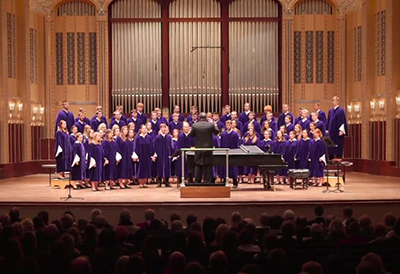
 Much like genres, names of arts organizations constitute a sort of contract between artist and audience: mislabel something at your peril. The shouting that greeted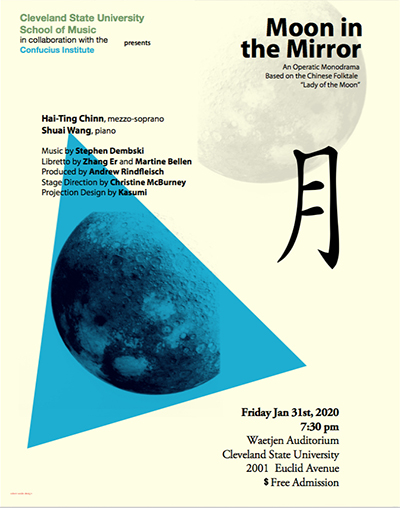
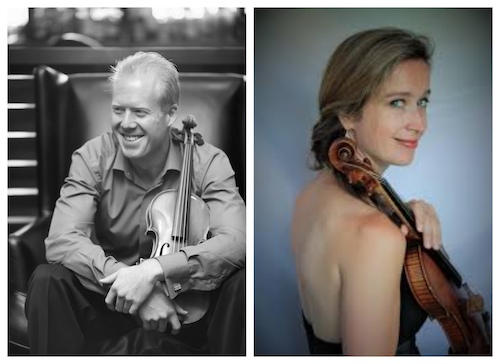 Two founding members of BlueWater Chamber Orchestra will partner as soloists this weekend, when conductor Daniel Meyer and the ensemble perform “A Classical Feast” at Plymouth Church in Shaker Heights on Saturday, February 1 at 7:30 pm.
 Complicated relationships between children and their parents have often served as inspiration for opera. Most people know the disaster that awaits Humperdinck’s Hansel and Gretel after they misbehave and their mother sends them to the haunted forest to look for strawberries. In Ravel’s L’enfant et les sortilèges, after being scolded by his mother, a young boy destroys everything in the room — later the objects come to life and show him the error of his ways.
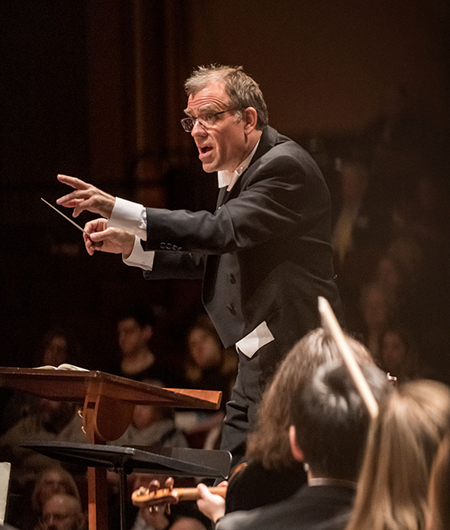 There was an unspoken tension between the composers on the Akron Symphony’s January 18 concert. Gustav Mahler’s hour-plus Fifth Symphony dominated the one-night-only program at E.J. Thomas Hall, which also featured an uncharacteristically short work by Richard Wagner — no slouch when it comes to profundity and grand gestures in his own music. Yet Wagner’s somewhat humble place on the program provided a conceptual key to Mahler’s self-contained, sometimes overwhelming symphony.
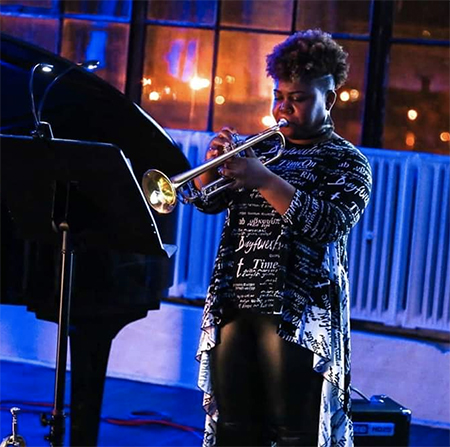
 Amir ElSaffar has had the type of musical career that you can imagine laid out as a board game: a winding path with important points along the way where he’s taken on new instruments, absorbed new genres, and crossed the globe to research musical practices more deeply.