


by Daniel Hautzinger
from the Oberlin News Center
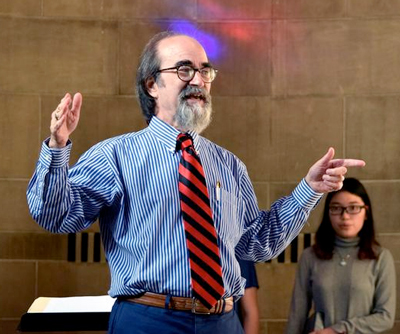 It’s a cliché that Oberlin changes your life. Less overstated but no less true is the notion that singing in Collegium Musicum under the direction of Steven Plank does the same. Just ask any of the 70-plus singers who will return to Oberlin the weekend of November 6 to celebrate Plank’s 25th year with the ensemble.
“It’s hard to overestimate the importance that Collegium and Dr. Plank had on my life,” says Christopher Macklin ’04.
“Dr. Plank was such a huge influence on my musical education that there’s not much I wouldn’t do to support him or celebrate his legacy,” David Crean ’06 writes.
“Collegium was more than just pleasurable, more than just meaningful—it was also a transformative education,” according to Zoe Weiss ’07.
Or, in the simple formulation of Martha Cargo ’07: “There’s nothing like it.” Read the article on the Oberlin Conservatory website
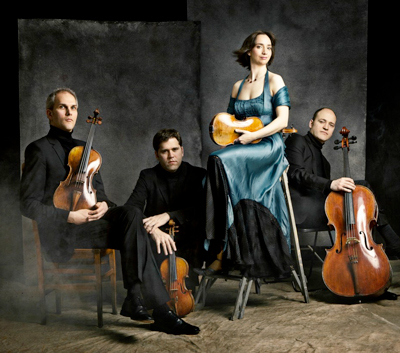 The program might have looked conventional, but Cuarteto Casals’ performances of string quartets by Haydn, Shostakovich, and Beethoven on the Cleveland Chamber Music Society series last Tuesday at Plymouth Church were exceptional. Every piece shone with its own individual character, contributing many-hued elements to an outstanding whole.
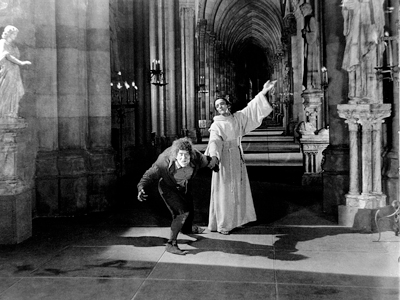 According to Wikipedia, in the early decades of the 20th century there were as many as 7,000 organs installed in movie theaters in the United States for the purposes of entertaining audiences before and between shows and, especially, for accompanying silent films. The theaters have, alas, mostly vanished, the organs either destroyed or re-installed elsewhere, and the skills for accompanying silent films have been lost. That is why organist Todd Wilson’s performance on Friday night at Severance Hall accompanying the 1923 American film The Hunchback of Notre Dame, starring Lon Chaney was such a brilliant feat of musical invention, theatricality and stamina.
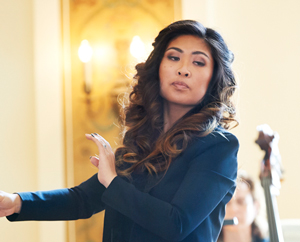 Having guest conducted the Masterworks Chorale of the Summit Choral Society in Haydn’s “Lord Nelson” Mass last spring, Marie Bucoy-Calavan will begin her official tenure as artistic director of the ensemble on Sunday, November 1 at 3:00 pm at Holy Trinity Lutheran Church in Akron. The program will include Mozart’s Requiem and Brahms’s Schicksalslied. (Tickets
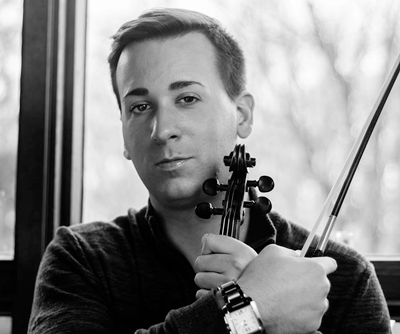 When we telephoned violinist Andrew Sords to chat about his recital on the Chagrin Concert Series next Sunday, he had just returned to Cleveland for thirty-six hours. “When I was nineteen,” he said, “I thought it would be great if I could play ten or so concerts a year.” A decade later, Sords sometimes finds himself playing that many performances in a month.
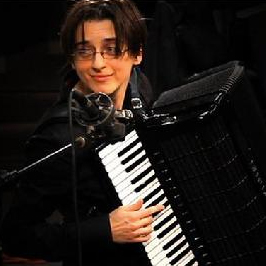 The Cleveland Museum of Art’s Performing Arts Series continues on Wednesday, October 28 at 7:30 with Merima Ključo’s “The Sarajevo Haggadah: Music of the Book,” a multimedia work for accordion, piano and video tracing the story of a precious Jewish prayer book’s journey from medieval Spain to 20th-century Bosnia — where it was hidden and rescued during World War II — to its restoration by the National Museum in Sarajevo after the 1992-1995 war.
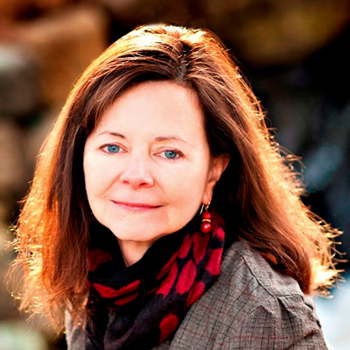 “Nobody who comes to the performance will regret it. I promise,” Pulitzer Prize-winning author Geraldine Brooks exclaimed during a telephone conversation. On Wednesday, October 28 at 7:30, the Cleveland Museum of Art’s Performing Arts Series will continue with Merima Ključo’s “The Sarajevo Haggadah: Music of the Book,” a multimedia work for accordion, piano, and video. The piece traces the story of a precious Jewish prayer book’s journey from medieval Spain to 20th-century Bosnia — where it was hidden and rescued during World War II — to its restoration by the National Museum in Sarajevo after the 1992-1995 war.
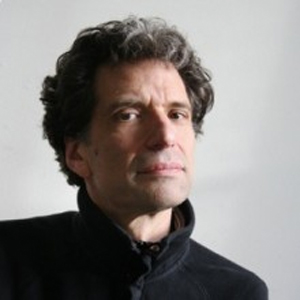 “When we leave conservatory, our available time to do things that are out of the routine of everyday life dwindles considerably,” pianist and Yellow Barn artistic director Seth Knopp pointed out during a telephone conversation. “Whether you’re a touring musician or piecing together a living, it’s hard to find time to dedicate yourself to one project. Our residencies are a chance for musicians to immerse themselves in their work.”
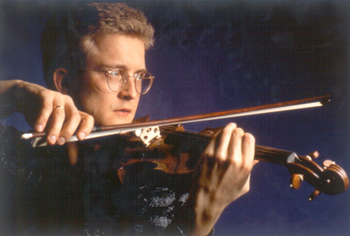 German violinist Christian Tetzlaff never shies away from a challenge. He made his debut with The Cleveland Orchestra at the age of 22, playing the daunting concerto by Arnold Schoenberg. Tetzlaff’s most recent area performance in May of this year, also with The Cleveland Orchestra, featured the violinist in Jörg Widmann’s concerto, a physically taxing work written for him in 2007.
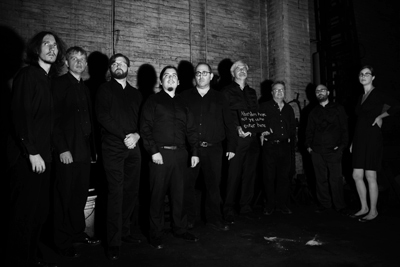 “In the words of John Cage, Satie is indispensable,” No Exit artist director Tim Beyer said during a telephone conversation. “As iconic as Satie is, you don’t often see a concert presented in his honor.” On Friday, October 30 at Heights Arts, No Exit will launch their seventh season with what will be a year-long tribute to the music of Erik Satie.