

by Jarrett Hoffman
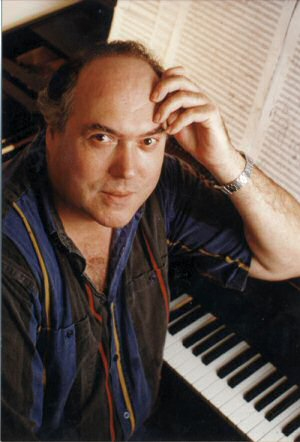 How should we remember someone after they pass away?
Czech-American composer Ladislav Kubik died in 2017, and many of the obituaries written for him described an impressive career — from his Guggenheim fellowship to first prizes in several major competitions and a 26-year teaching post at Florida State University.
One short article included below went in a different direction. You got the sense from reading it that this writer really knew Kubik, and that his loss was personal.
The writer was Tim Beyer, director of No Exit. And that new music ensemble will give the premiere of Kubik’s 2017 Nocturnes in three free concerts next week devoted to the composer’s works. Nocturnes, a No Exit commission, turned out to be Kubik’s last completed piece.
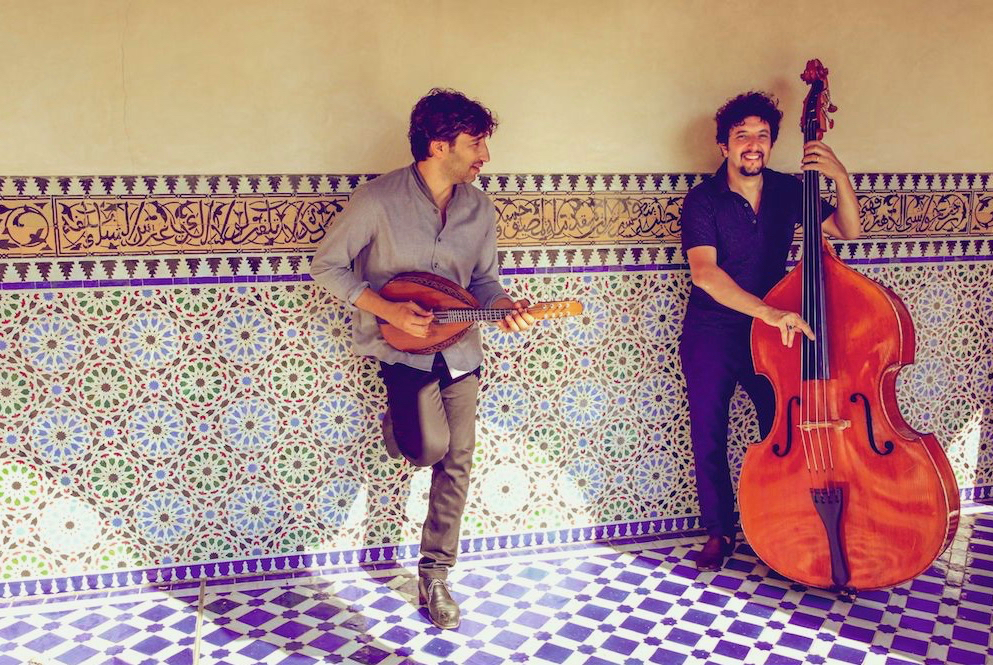 Avi Avital remembers meeting Omer Avital — no relation — in the cafeteria at the Jerusalem Music Academy.
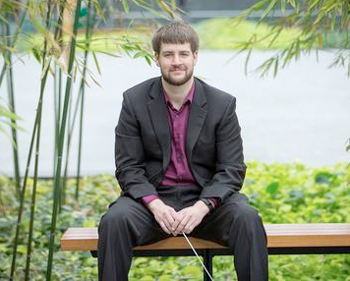 When Cleveland native David Ellis decided to study cello as an undergraduate at Oberlin Conservatory, he had an inkling that conducting might be in his future. He also had a feeling he should wait on that pursuit.
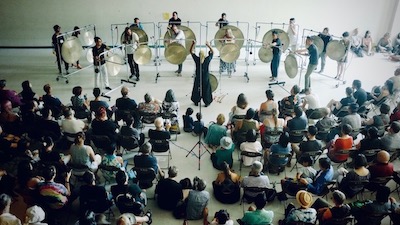 Next up on the
 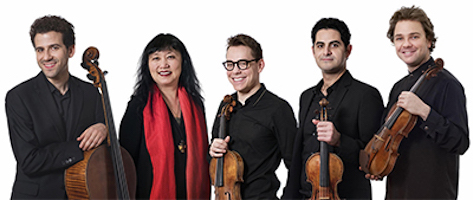 Depending on how presenters and performers discuss it in concerts, music history can be a portal to deeper understanding or a padlock. Especially hazardous is the tracing of artistic lineage. If you talk engagingly about teacher-to-student “family trees,” the concert may gain in vitality and direction. If you list them dryly, you risk making textbook fodder of vibrant art.
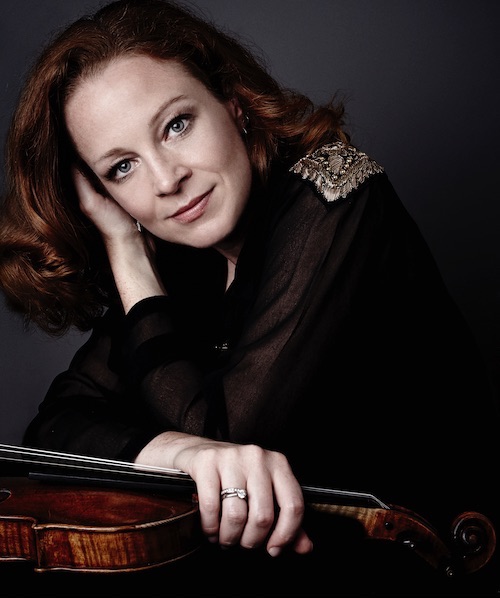 German violinist Carolin Widmann rarely performs in the U.S. — and we Americans might be feeling a tad neglected.
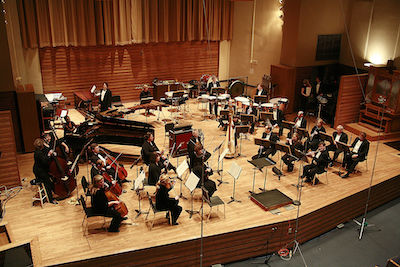 When a festival runs for long enough, it becomes interesting to look back and remember that it wasn’t always a staple of the local culture. At one time, it was entirely new.
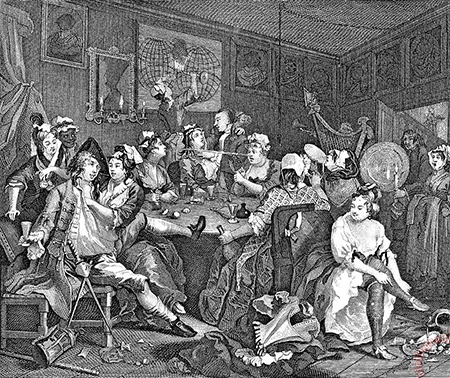 Igor Stravinsky’s
 A golden age in American popular music began about a century ago. Lasting four decades and pervading musical theater, sound recordings, film, radio, and jazz stylings, it left a body of music that has never gone out of circulation and is regularly trumpeted as one of America’s best collective creations. We now call it “The Great American Songbook.”