


by Peter Feher
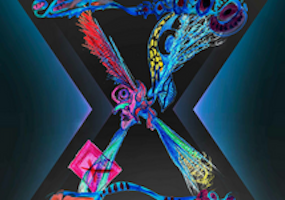 If you missed the tail end of ChamberFest Cleveland’s season, don’t be too worried. The highlights from each summer of brilliant, collaborative performances have a way of sticking around — online on the Festival’s YouTube channel and, more recently, on the radio with WCLV. Certainly this year’s finale, on July 2 at the Maltz Performing Arts Center, was full of such memorable musical moments.
The program, titled “An Enchanting Celebration,” made good on its promise of a special event. ChamberFest put two large ensembles on stage for a pair of works brimming with instrumental and stylistic variety.
 Tri-C JazzFest went out with a bang this year. The stages at Playhouse Square got bigger and busier with each act on the schedule for Saturday, June 25. Steady momentum was the theme all around, not least for the Festival itself, which this summer returned to full size, following a detour online in 2020 and the move to a smaller venue, Cain Park, in 2021.
 Cleveland Opera Theater saw the payoff of several years’ work when
 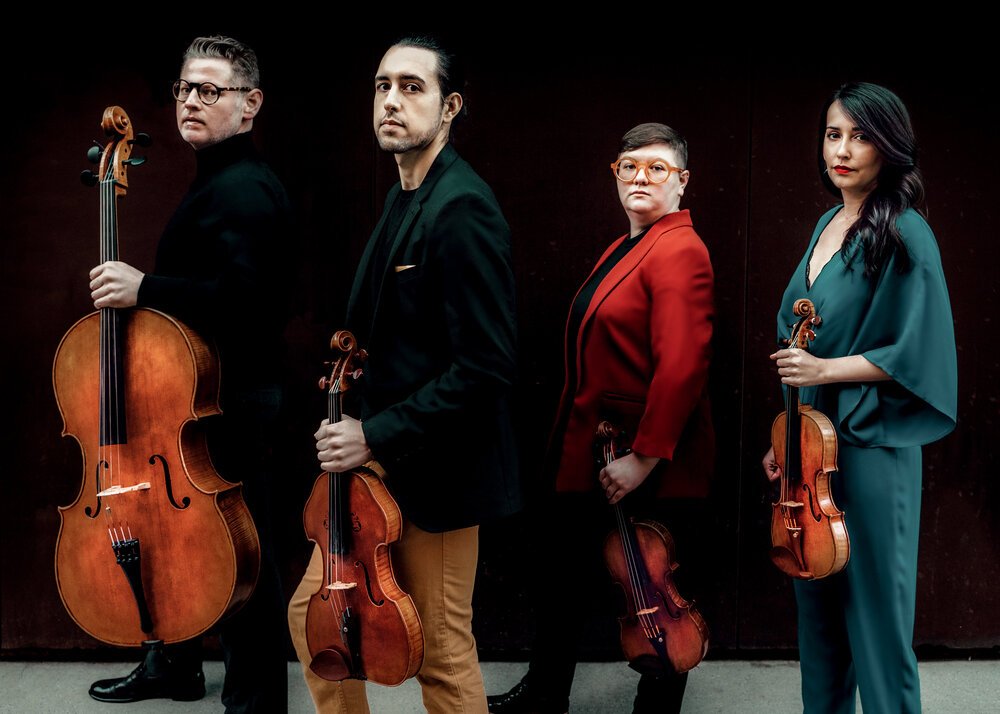 If you were sitting in Mixon Hall last Wednesday, you might have thought you were in the midst of a recording session rather than a recital. And with good reason: the Catalyst Quartet was in top form playing a program that previewed several works on the group’s upcoming album.
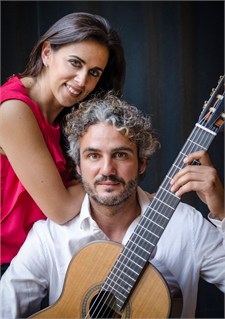 The guitar is an instrument that can travel anywhere and play just about anything. Listeners got the chance to take in some of that variety at the Cleveland International Classical Guitar Festival, which returned in person to the Cleveland Institute of Music last weekend. Original arrangements and inventive pairings — pieces with harp, cello, and more — added to the schedule, but a sense of what makes a performance “classical” emerged as well.
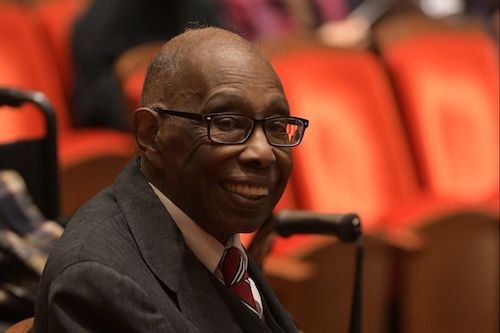 The Cleveland Orchestra worked overtime last weekend, making every note count. The season at Severance Music Center came to a close with final performances of Verdi’s Otello, plus two additional programs that showed just how much repertoire the players can master. These special, one-off concerts, presented under the banner “Breaking Convention,” fit the experimental model the ensemble has established in recent years, trying out tricky music in unconventional formats around the schedule of an opera.
 Franz Welser-Möst led the final bows on Saturday night at Severance, like the star of any show should. The Cleveland Orchestra’s music director is in his element presiding over the ensemble’s annual opera production, which this season packs the drama. Verdi’s Otello — in a concert staging that opened May 21 and runs for two more performances (May 26 and 29) — demands big voices, instrumental forces to match, and a conductor who can give it all shape and direction.
 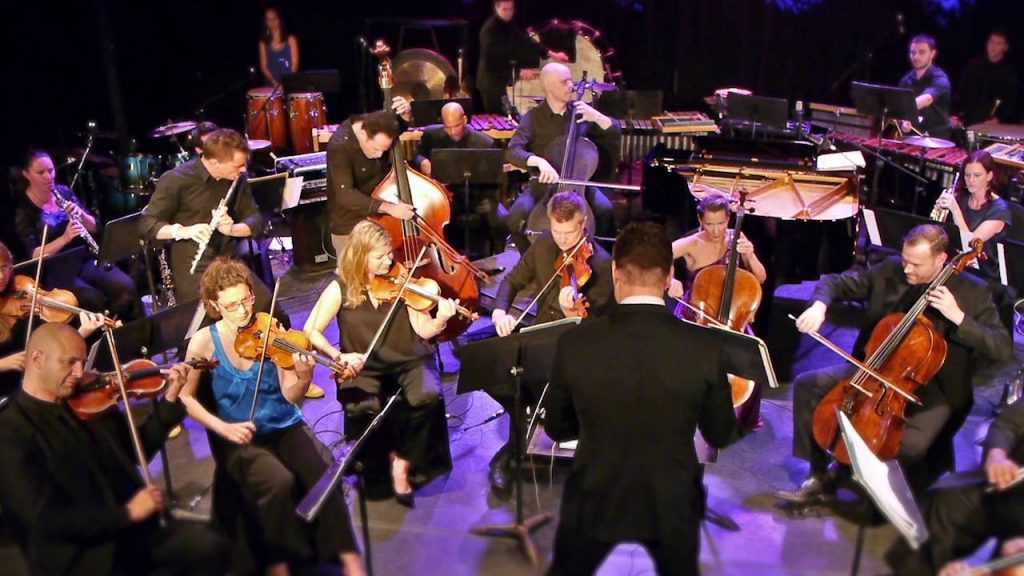 Tuesday Musical has been straying from its usual formula in a way that seems to be working. The Akron concert series brought its season to a close last Wednesday with a performance that exemplified the “classical with a twist” style the presenter has hit upon lately.
 Many conductors are happy to travel from orchestra to orchestra with the same set of pieces. Not Michael Tilson Thomas, who brought a unique but instantly recognizable program to Severance Music Center over the weekend.
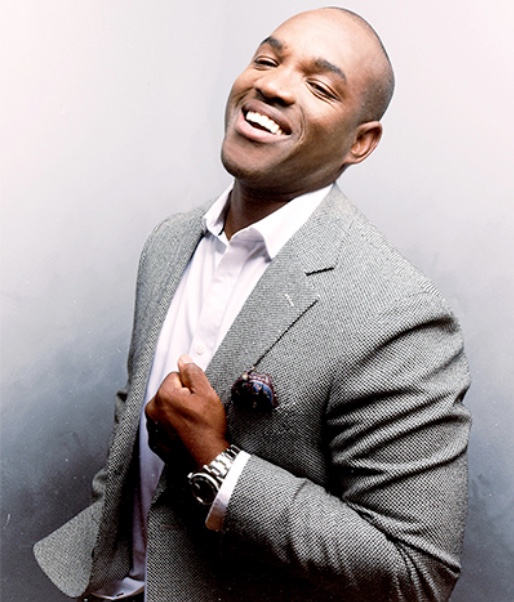 Lawrence Brownlee was still in master-class mode when he visited the Cleveland Chamber Music Society on April 26. The star tenor, born and raised in Youngstown, brought an educational element to his recital at the Maltz Performing Arts Center.