

by Stephanie Manning
 Just before the Akron Symphony string section began a work by Jerod Impichchaachaaha’ Tate on Saturday evening, conductor Christopher Wilkins turned to the audience, raised a document, and began to read. What he had in his hand wasn’t program notes. As a pairing to the work by Tate — a member of the Chickasaw nation — Wilkins read a land acknowledgement for the city of Akron, honoring the Indigenous people to whom the land belongs.
The piece, along with that reading, is just one example of the Symphony’s aim this season to elevate the music of underrepresented composers. On September 24 in E.J. Thomas Hall, the ASO’s 2022-23 season began with “American Fanfare,” which explored the complexities of American identity and culture.
 Why is it that people never seem to tire of 18th-century Scottish folk songs? The moment we hear the poems of
 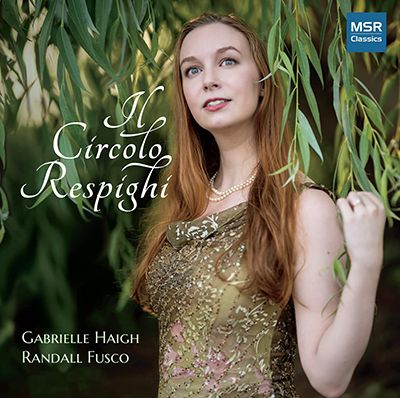 There are myriad paths to follow — both musical and literary — when curating an art song recital. For her impressive debut solo CD, soprano Gabriella Haigh chose to visit repertoire reflecting musical relationships that swirled around the 19th-century Italian composer Ottorino Respighi.
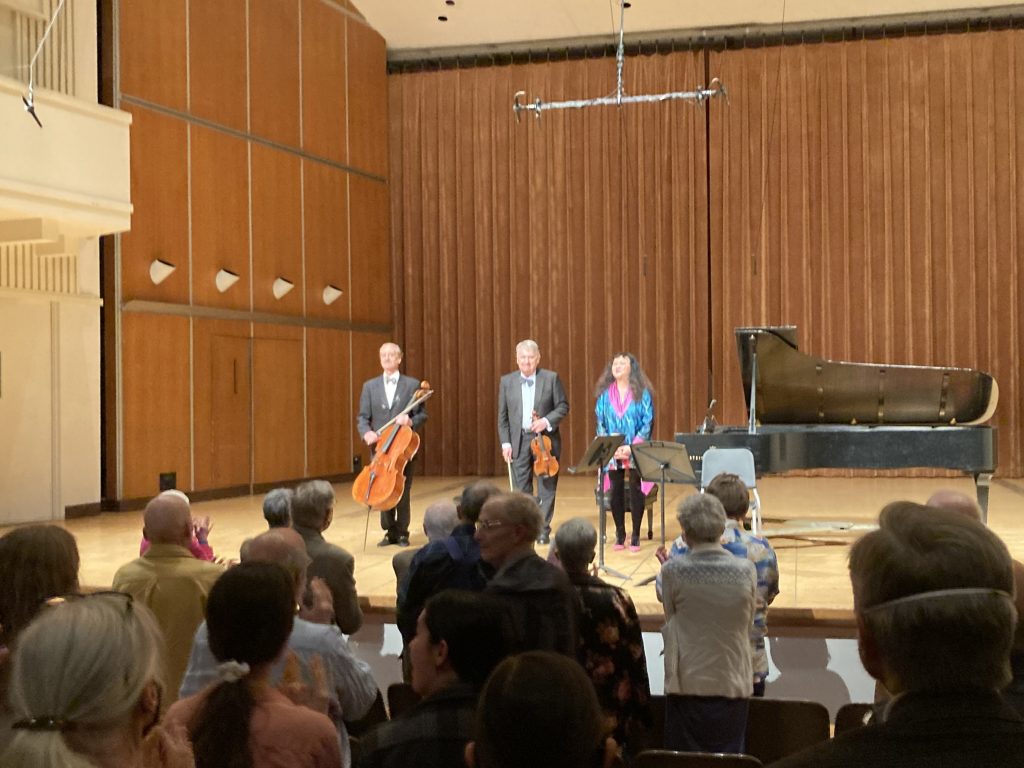 After more than a decade spent together as an ensemble, Wu Han, Philip Setzer, and David Finckel have become very familiar with certain pieces. And they’re determined to make sure those works only get better with age. On September 13, the pianist, violinist, and cellist opened the 73rd season of the Cleveland Chamber Music Society with a staple in their repertory — Franz Schubert’s two piano trios.
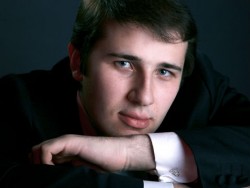 When the first notes sounded in Mixon Hall on August 7, the star of the afternoon’s program was nowhere to be seen. Stanislav Khristenko would only sneak onstage after the fourth movement of Schubert’s “Trout” Quintet had already started. It was a playfully modest entrance — that is, until he took up the theme in this sparkling set of variations for piano and strings.
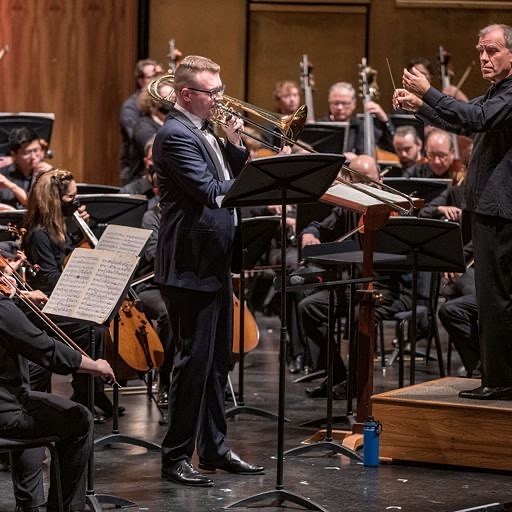
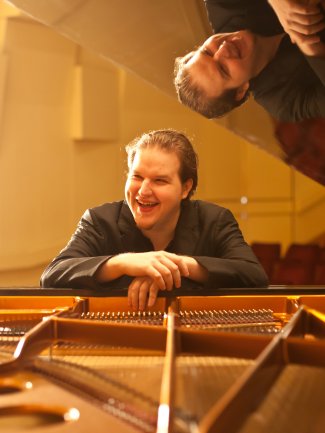 The August 13 program at Blossom Music Center was a grand finale in all but name. The Cleveland Orchestra played the last classical concert of its summer season there (the group would save a couple of preview performances for Severance later in the month, ahead of setting out on its 2022 European tour), and the repertoire was exceptional and expansive to match the occasion.
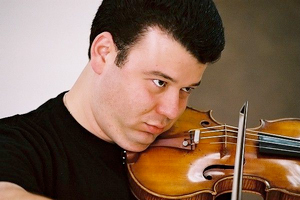 Orpheus Chamber Orchestra has an advantage when it comes to commanding a crowd. The ensemble of scarcely more than a dozen string players performed for a packed Blossom Music Center on August 27 and seemed entirely at home in the huge venue. Saturday’s concert brought the summer classical season here to a close in understated yet completely gripping fashion.
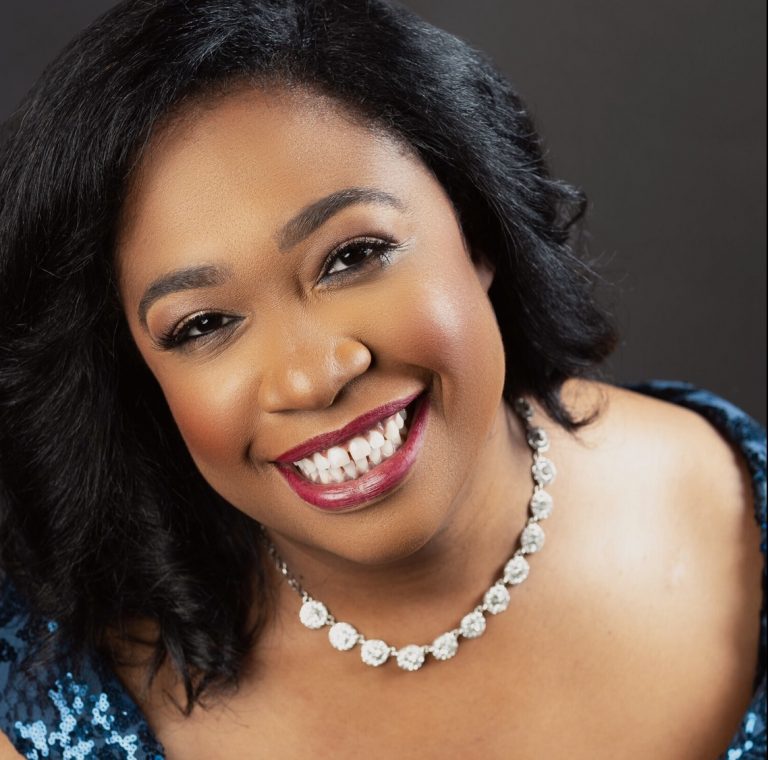 Pianist Michelle Cann freely admits she was as unaware as everyone else about the music of Florence Price until a trove of Price’s compositions turned up in the composer’s former summer home in Chicago in 2009.
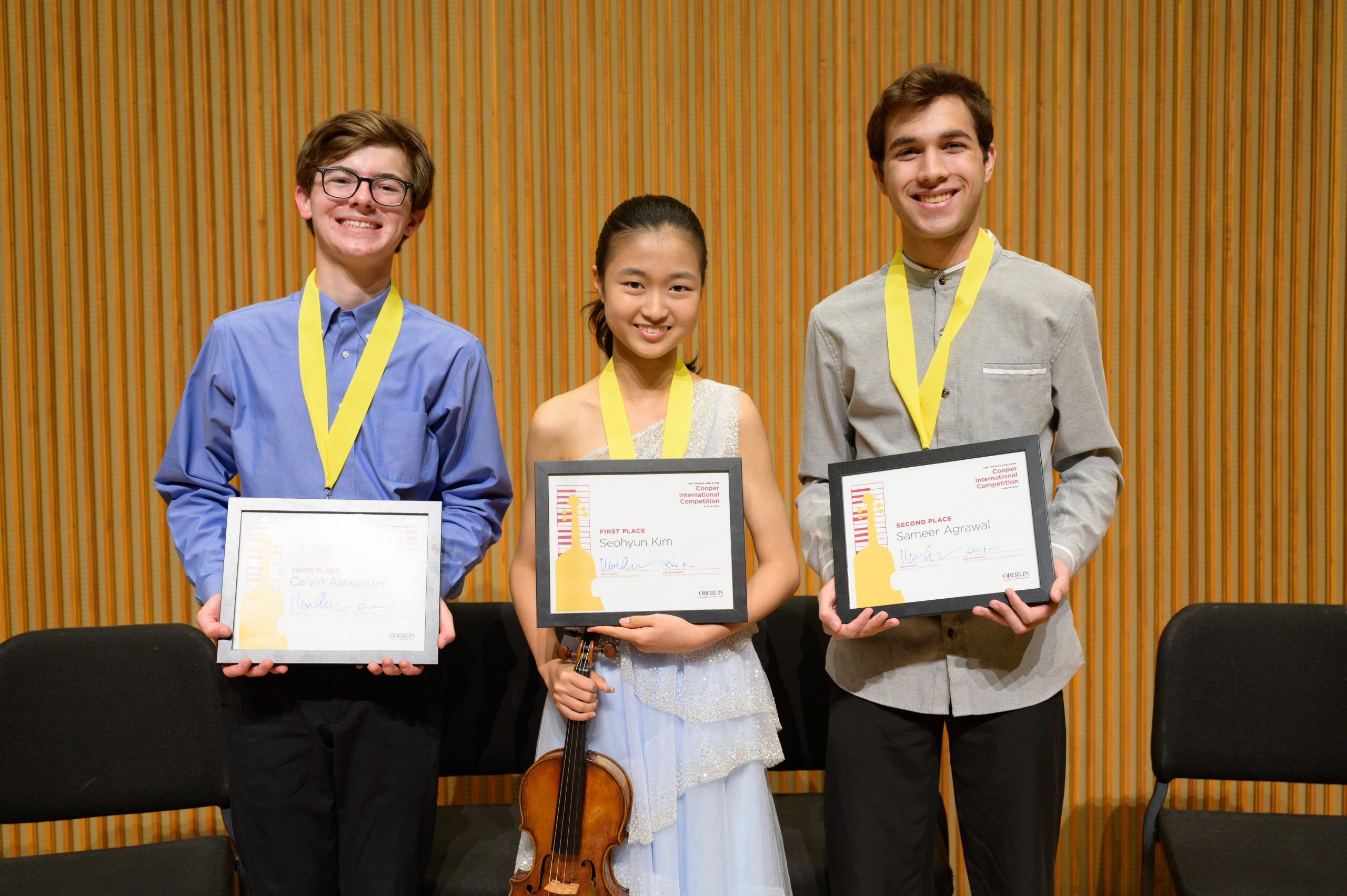 After impressive performances by six young violinists during the second round of the Cooper International Violin Competition, the jury selected three to advance to the final round. On August 19 at Oberlin Conservatory’s Warner Concert Hall, the talented violinists presented concertos by Tchaikovsky and Brahms with the Canton Symphony under the direction of Gerhardt Zimmermann.
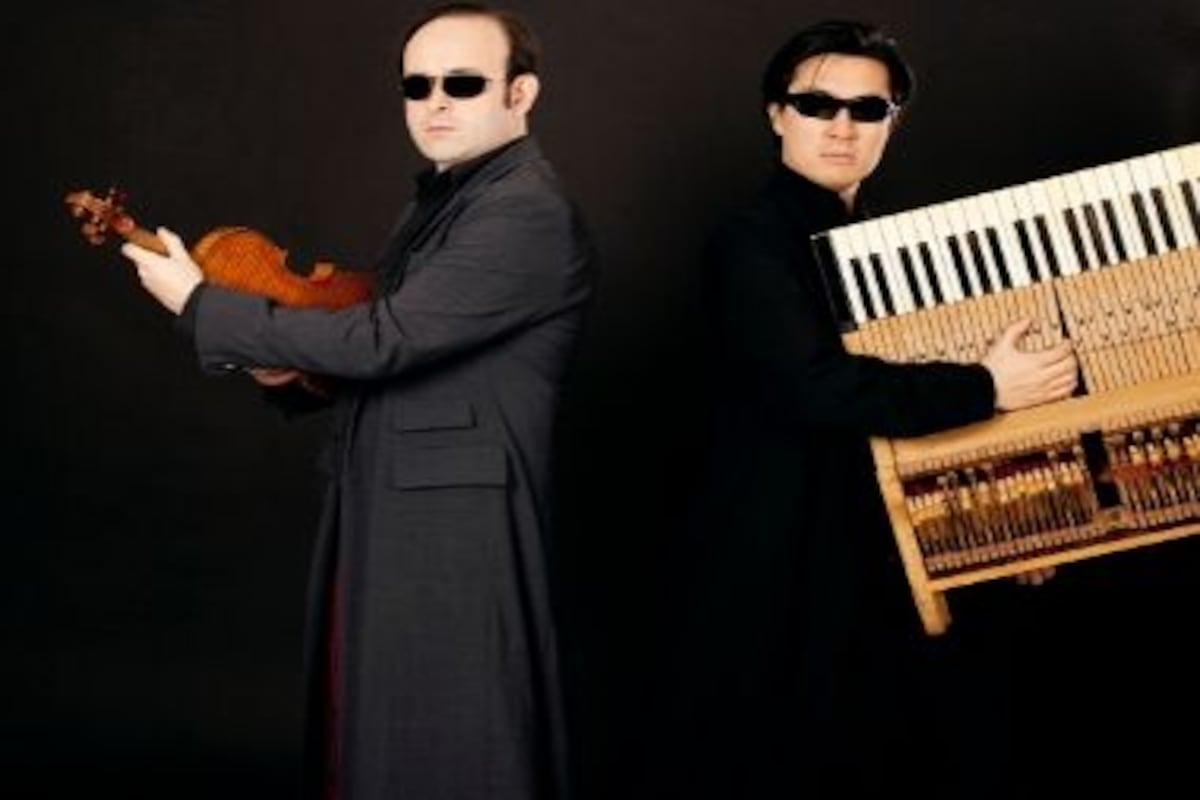 Because it usually takes itself so seriously, classical music is a sitting duck for parody and satire. But the art form also has a divinely installed funny bone that allows its artists to lampoon themselves and their craft, even while producing high quality performances.