



by Stephanie Manning
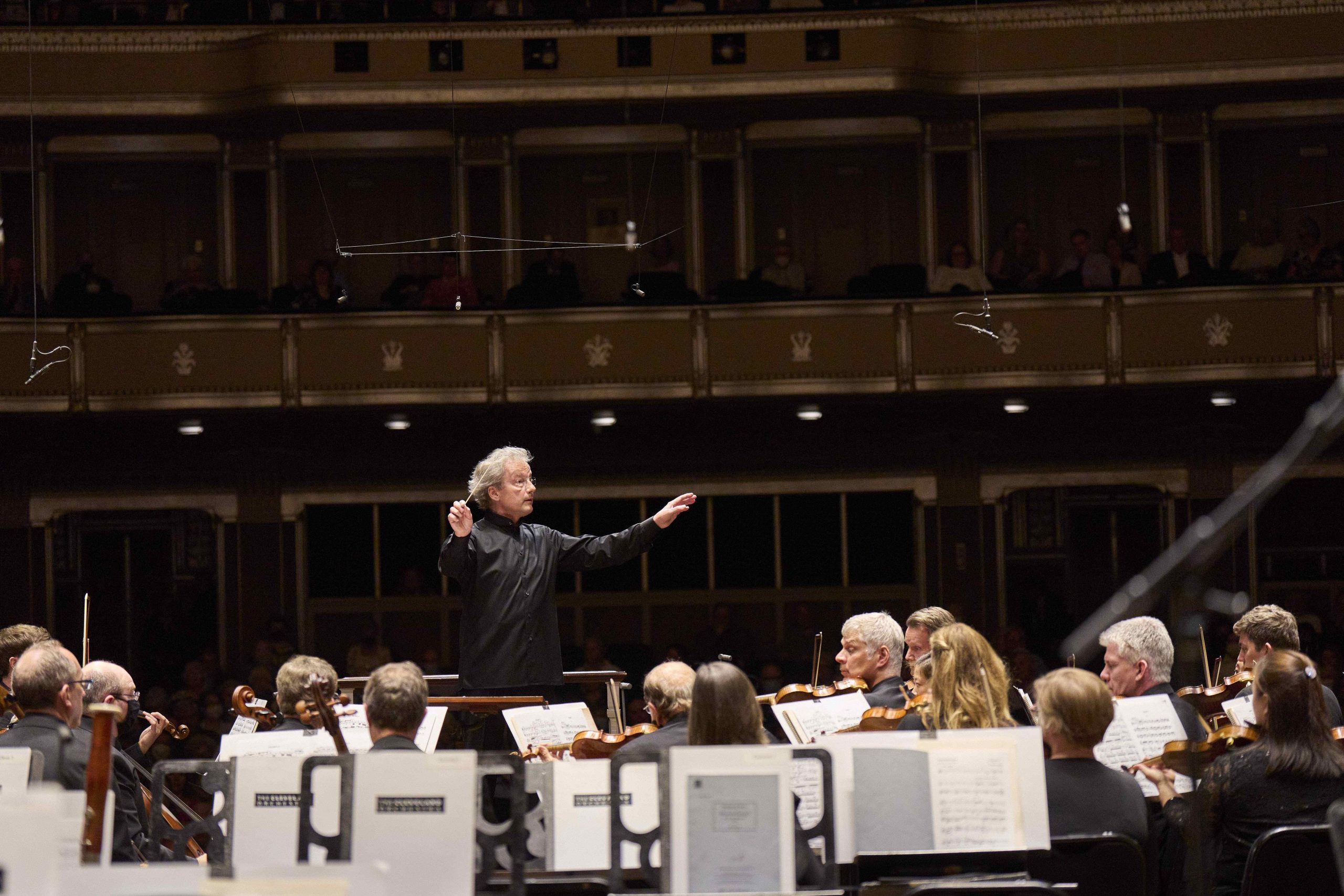
Many musicians will remember exactly what they were rehearsing in March of 2020, when the music suddenly stopped. For The Cleveland Orchestra, that unlucky piece was Schubert’s Symphony No. 9, which at the time was only heard by a private audience of staff members. More than two years later, the Orchestra finally gave the work the live performance it deserved on May 12 — and the seats at Severance Music Center were plenty full.
Conducted by Franz Welser-Möst, the Orchestra was in their element for the popular symphony, also known as “The Great” — a nickname born not out of a value designation, but to differentiate it from a shorter work of Schubert’s also in C Major. Clocking in at just under an hour in total, the four demanding movements are a test of endurance, which prompted the woodwind section to enlist some assistant players.
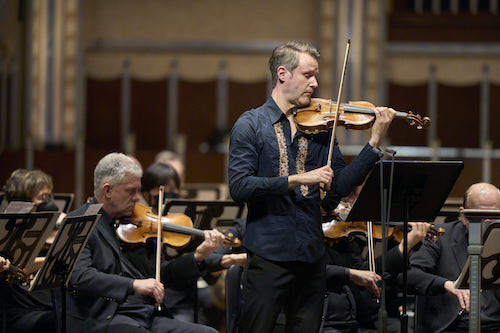 The Cleveland Orchestra kept the music-making all in the family last week. Franz Welser-Möst conducted, a favorite composer stopped by, and first associate concertmaster Peter Otto played soloist, taking on a piece with its own history at Severance.
 In 1936 British composer William Walton was faced with a decision: should he write a piece for violinist Joseph Szigeti and clarinetist Benny Goodman, or a concerto for Jascha Heifetz? On December 7, 1939 the famed violinist gave the premiere of Walton’s
  On paper, last week’s Cleveland Orchestra concerts might have lacked a little color: two numbered symphonies and a piece of new music with an abstract title. But Thursday’s performance at Severance Music Center under the direction of Franz Welser-Möst came to vibrant life, thanks in part to the sparkling world premiere at the program’s center.
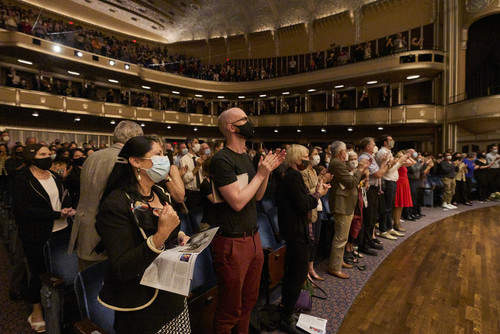 Most live performances this fall have quickly turned into lovefests, so eager have audiences been to re-engage with musicians face to face.
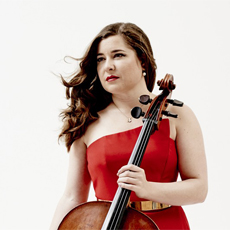 There are a few reasons why this week’s program from Franz Welser-Möst and The Cleveland Orchestra is particularly special. One, it marks the first time that the ensemble will return in full force to Severance Music Center since March 2020.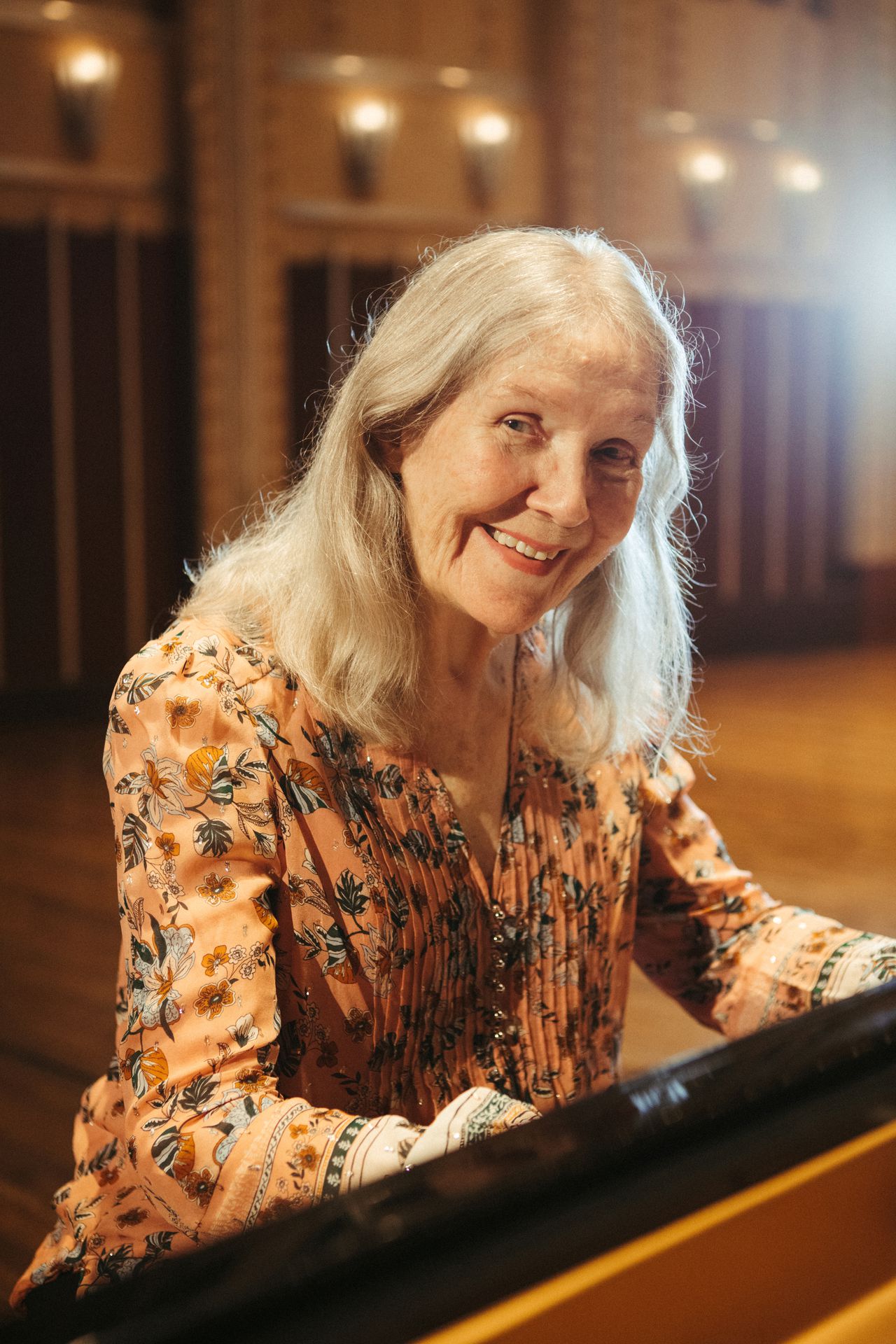
 TONIGHT IN-PERSON AND ONLINE:
 Both considered young musical prodigies, composers Edvard Grieg and Erich Wolfgang Korngold enjoyed great successes in their careers. But while works by Grieg have long been part of the standard orchestral repertoire, Korngold’s film scores have overshadowed his classical compositions until more recently. The 13th episode of The Cleveland Orchestra’s digital series In Focus, “Dance & Drama,” presents works for string orchestra from each composer to highlight their shared Romantic sensibilities and influences from other art forms.
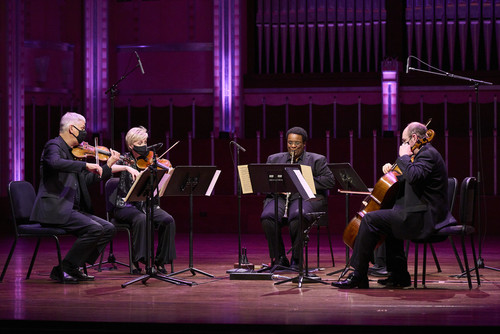 Much had changed in the 130-some years that separate Wolfgang Amadé Mozart’s Vienna from that of Alban Berg. The Cleveland Orchestra titled episode 11 of its In Focus digital series “Order and Disorder,” presumably to contrast Mozart’s well-behaved, Enlightenment-inspired Clarinet Quintet from 1789 with the societal chaos reflected musically in Berg’s Lyric Suite, three of the six movements from the composer’s 1925-1926 String Quartet that he arranged for full string orchestra in 1928.