
by Mike Telin
With a program titled “New Beginnings,” Franz Welser-Möst and The Cleveland Orchestra will return in full force to Severance Music Center on Thursday, October 14 at 7:30 pm, for the first time since March 2020. The evening will feature Richard Strauss’ Macbeth, Joan Tower’s A New Day (for cello and orchestra) with Alisa Weilerstein, and Sergei Prokofiev’s Symphony No. 5. The program will be repeated on Sunday, October 17 at 3:00 pm. Click here for ticket information.
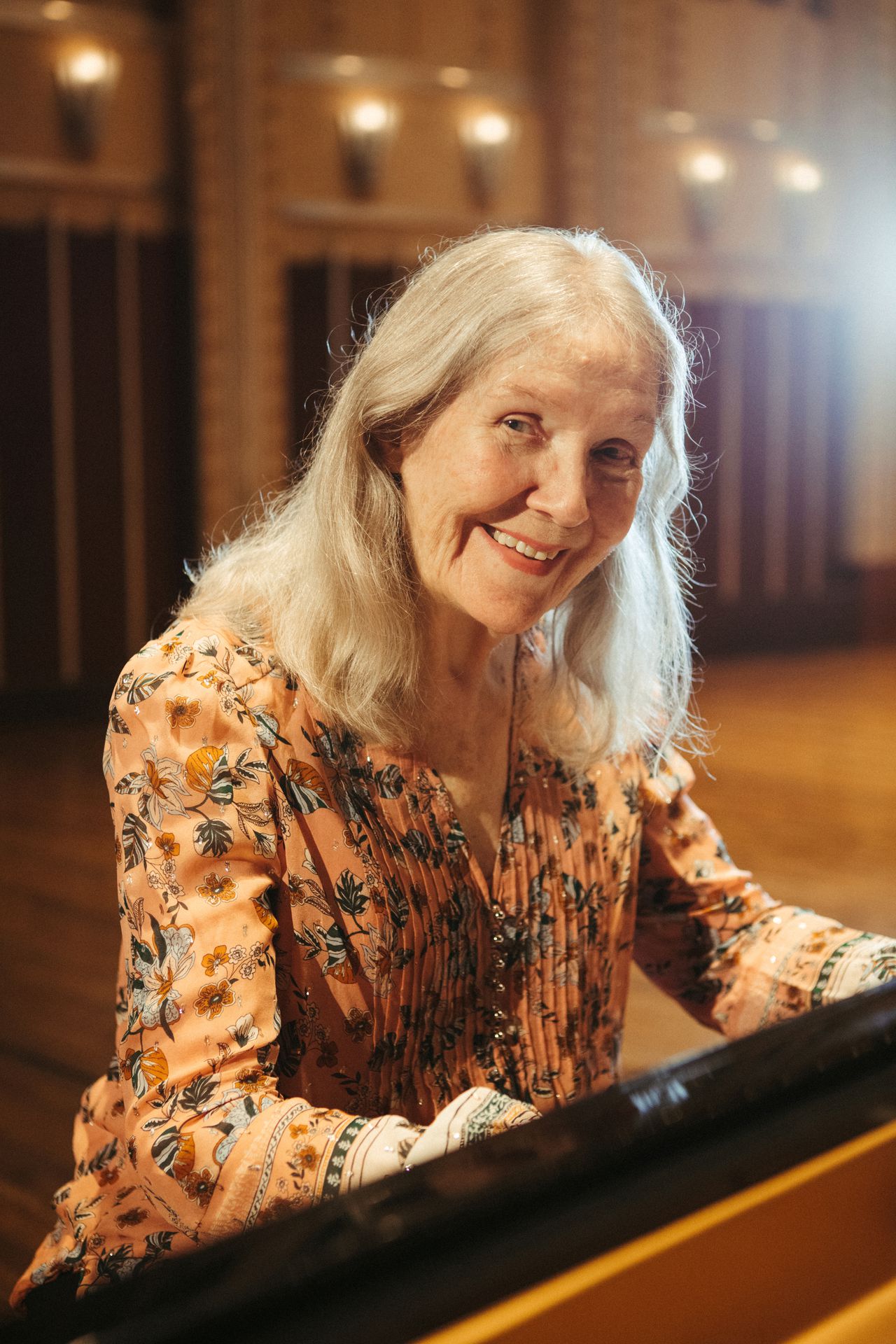
The concerts will also be bittersweet as they mark the final performances of Joela Jones as the Orchestra’s principal keyboard. Jones, whose tenure has spanned 54 seasons, will be presented with the Orchestra’s 25th Distinguished Service Award on Thursday evening. Click here to watch a special video about Jones and listen to a playlist of her most memorable performances.
Joela Jones made her first appearance with The Cleveland Orchestra as a concerto soloist for a Summer Pops concert in 1966. The following year she gave the world premiere of a new concerto under the direction of George Szell, who asked her to join the ensemble soon after. Her name first appeared on the printed roster with the opening season of Blossom Music Center in 1968, and in 1972 she was officially designated as the Orchestra’s principal keyboard player. She has held the Rudolf Serkin Endowed Chair since its creation in 1977.
I spoke to Jones via Zoom and began by asking her about being tapped as a prodigy by Ernst von Dohnányi.
 TONIGHT IN-PERSON AND ONLINE:
 Both considered young musical prodigies, composers Edvard Grieg and Erich Wolfgang Korngold enjoyed great successes in their careers. But while works by Grieg have long been part of the standard orchestral repertoire, Korngold’s film scores have overshadowed his classical compositions until more recently. The 13th episode of The Cleveland Orchestra’s digital series In Focus, “Dance & Drama,” presents works for string orchestra from each composer to highlight their shared Romantic sensibilities and influences from other art forms.
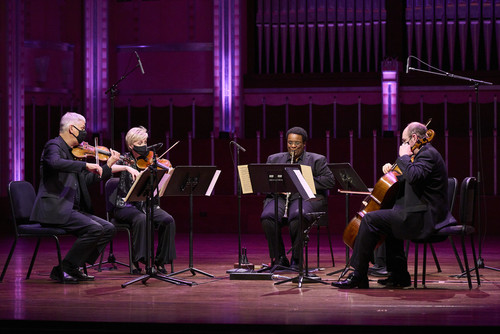 Much had changed in the 130-some years that separate Wolfgang Amadé Mozart’s Vienna from that of Alban Berg. The Cleveland Orchestra titled episode 11 of its In Focus digital series “Order and Disorder,” presumably to contrast Mozart’s well-behaved, Enlightenment-inspired Clarinet Quintet from 1789 with the societal chaos reflected musically in Berg’s Lyric Suite, three of the six movements from the composer’s 1925-1926 String Quartet that he arranged for full string orchestra in 1928.
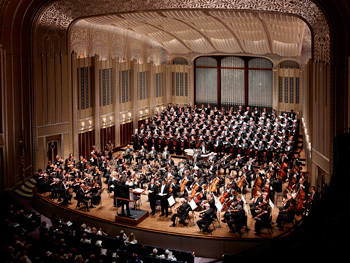 On Sunday, May 23, The Cleveland Orchestra announced its return to live concerts at Severance Hall in October, as “a more flexible, innovative, versatile, and empathetic institution, strengthened by the lessons of the past 14 months.”
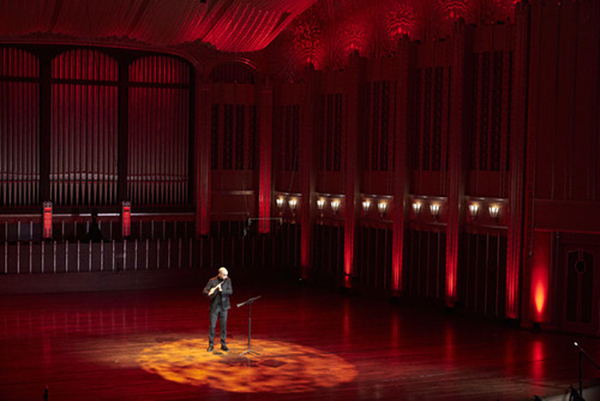 Wind players have arguably been the most frustrated instrumentalists during the pandemic. When you pursue your art and livelihood by forcing air from your lungs through an instrument, you’re among the most likely candidates to spread the novel coronavirus, thus your near exile from concert halls.
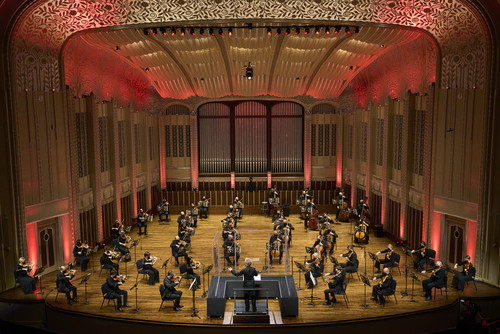 Episode 7 of The Cleveland Orchestra’s pre-recorded In Focus series is the shortest so far, clocking in at only 37 minutes. But the emotional impact of Dmitri Shostakovich’s bleak Chamber Symphony in c followed by the calm, shimmering hopefulness of Olivier Messiaen’s Le Christ, lumière du Paradis (from Éclairs sur l’Au-Delà) is out of all proportion to the length of the music.
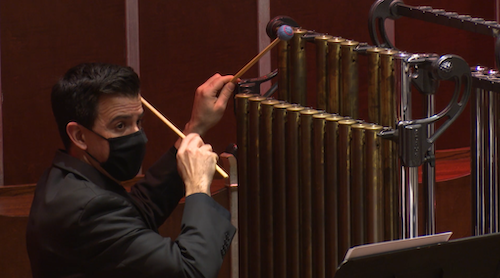 In Episode 6 of the
 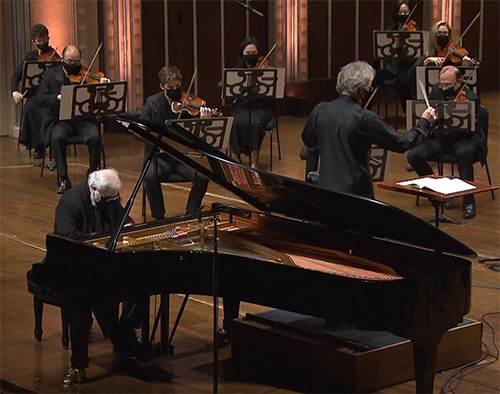 Full-length symphony orchestra concerts normally feature three works and run nearly two hours including intermission. The pandemic, which has changed so many things, has truncated programs, both to shorten possible exposure time and to avoid the social mixing of a mid-concert interval.