


by Kevin McLaughlin
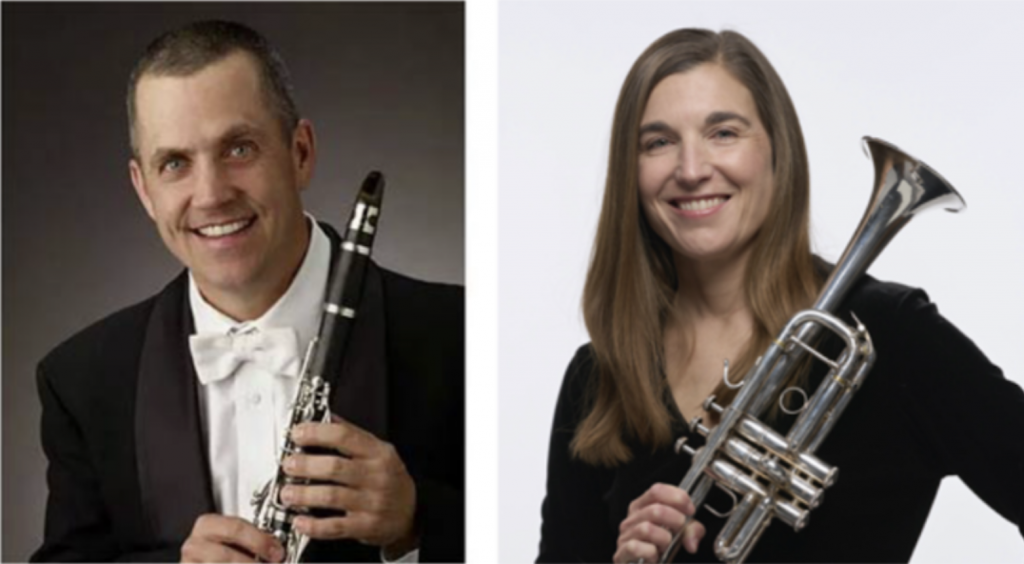 Variety and charm abounded in an all-Stravinsky program at West Shore Unitarian Universalist Church Monday evening, May 15, presented by the Rocky River Chamber Music Society. How delightful to hear this repertoire — Stravinsky’s droll and cerebral inventions in small combinations — heard almost exclusively on conservatory or college programs these days. Top-flight musicianship on the part of Cleveland Orchestra members and fellow professionals helped make the case. Congratulations to trumpeter Amanda Bekeny and clarinetist Daniel McKelway for putting it all together.
The succinct duos that opened the program, Fanfare for a New Theatre for trumpets and Lied Ohne Name for bassoons, made a nice pairing for their length and affective dissimilarity. Where the trumpets skirmished, the bassoons chatted dispassionately — both in under a minute. Accurate and faithful playing of both works only left us wanting more.
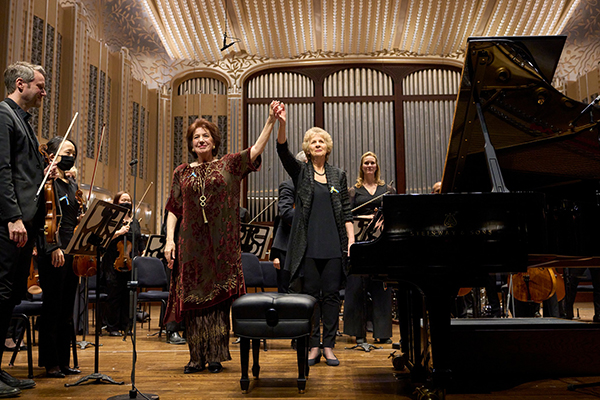 Half Mozart and half British, the repertory at Severance Music Center on Sunday afternoon, March 27 gave The Cleveland Orchestra multiple opportunities to shine under the baton of Dame Jane Glover, who organized the proceedings with a keen sense of style and narrative. And Dame Imogen Cooper, her compatriot in the Most Excellent Order of the British Empire, crafted a memorable account of Mozart’s richly symphonic Piano Concerto No. 22.
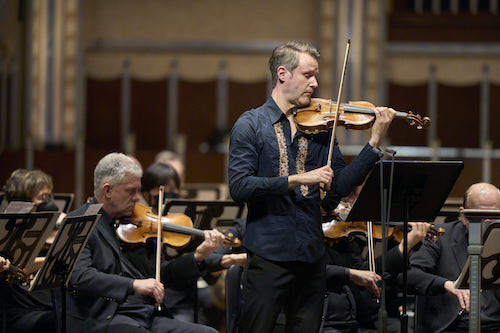 The Cleveland Orchestra kept the music-making all in the family last week. Franz Welser-Möst conducted, a favorite composer stopped by, and first associate concertmaster Peter Otto played soloist, taking on a piece with its own history at Severance.
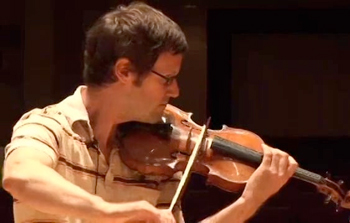 In 1936 British composer William Walton was faced with a decision: should he write a piece for violinist Joseph Szigeti and clarinetist Benny Goodman, or a concerto for Jascha Heifetz? On December 7, 1939 the famed violinist gave the premiere of Walton’s
  On paper, last week’s Cleveland Orchestra concerts might have lacked a little color: two numbered symphonies and a piece of new music with an abstract title. But Thursday’s performance at Severance Music Center under the direction of Franz Welser-Möst came to vibrant life, thanks in part to the sparkling world premiere at the program’s center.
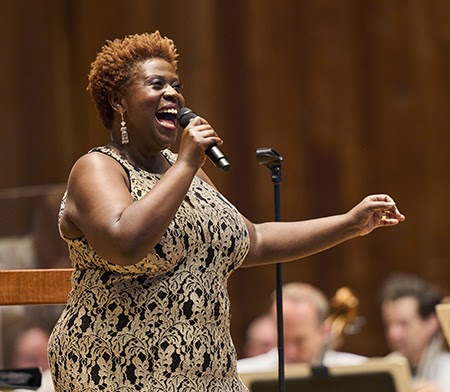 The stage was packed at Blossom Music Center on Sunday, July 18. The pops program of American songbook standards — part Broadway, part Hollywood, and part jazz — called for a full orchestra, plus a rhythm section up front and a row of saxophone players off to the side. This is music that can work with just piano and singer, but after months of pandemic-adapted performances, it was great to see a full-scale production.
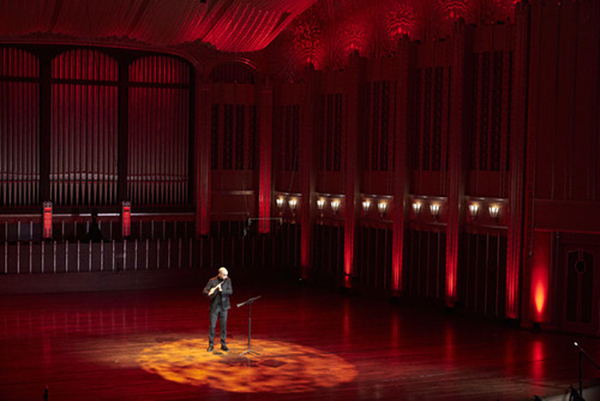 Wind players have arguably been the most frustrated instrumentalists during the pandemic. When you pursue your art and livelihood by forcing air from your lungs through an instrument, you’re among the most likely candidates to spread the novel coronavirus, thus your near exile from concert halls.
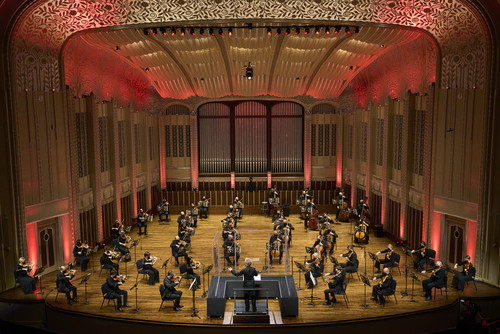 Episode 7 of The Cleveland Orchestra’s pre-recorded In Focus series is the shortest so far, clocking in at only 37 minutes. But the emotional impact of Dmitri Shostakovich’s bleak Chamber Symphony in c followed by the calm, shimmering hopefulness of Olivier Messiaen’s Le Christ, lumière du Paradis (from Éclairs sur l’Au-Delà) is out of all proportion to the length of the music.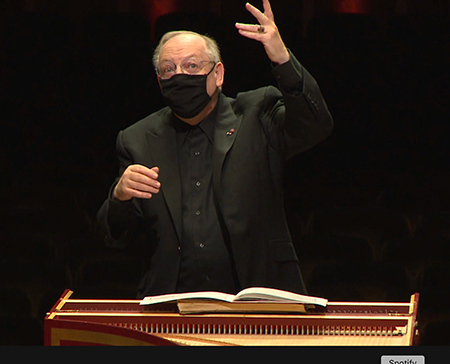
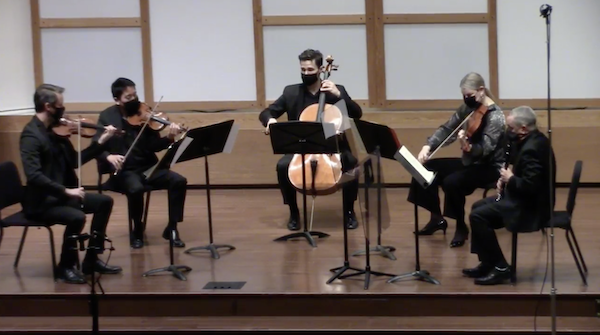 Four string players and a clarinetist, all from The Cleveland Orchestra, came together on December 7 for a quartet and a quintet in “Nothing But Mozart,” streamed live from West Shore Unitarian Universalist Church as part of the 62nd season of the Rocky River Chamber Music Society.