by Samantha Spaccasi
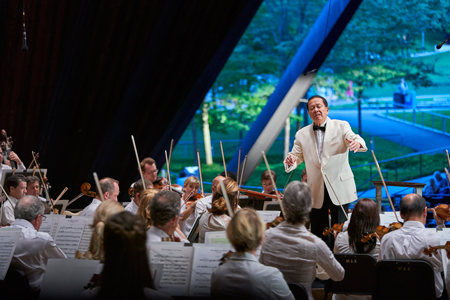 It was hot and humid on the evening of July 22, but that didn’t stop concertgoers from flocking to Blossom Music Center to hear the Kent/Blossom Chamber Orchestra and The Cleveland Orchestra. [Read more…]



by Samantha Spaccasi
It was hot and humid on the evening of July 22, but that didn’t stop concertgoers from flocking to Blossom Music Center to hear the Kent/Blossom Chamber Orchestra and The Cleveland Orchestra. [Read more…]
by Daniel Hathaway
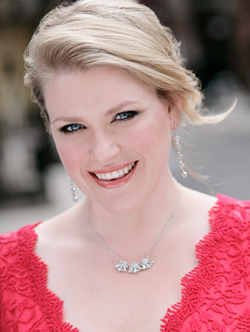 The Canadian soprano Erin Wall made only one costume change on Sunday evening at Blossom — from a burgundy to a sparkling black gown — but she brought winning vocal versatility and theatrical savvy to her portrayal of five different divas, brilliantly supported by Franz Welser-Möst and The Cleveland Orchestra. [Read more…]
by Daniel Hathaway
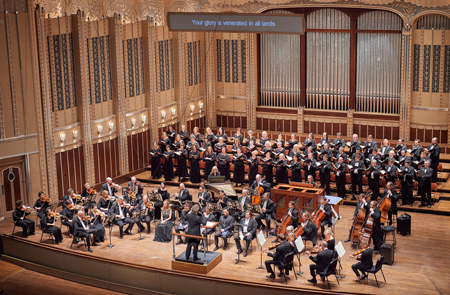 Under the direction of Franz Welser-Möst on Thursday evening, members of The Cleveland Orchestra and Chorus and an excellent team of soloists made a strong case for a not-so-historically informed approach to Bach’s sacred vocal works. The quality of Welser-Möst’s interpretation and the excellence of its execution got right to the heart of the composer’s Passion According to St. John and left a powerful emotional impression. [Read more…]
by Daniel Hathaway
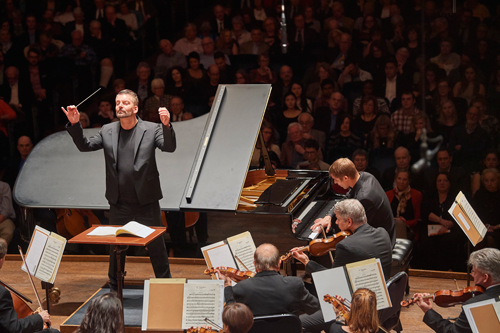 Jet lag, Egypt, the long gestation of a new musical language, and the Sea — these disparate elements all had something to do with inspiring the four wildly different pieces that guest conductor Matthias Pintscher brought to Severance Hall on Thursday evening, February 23. If there were few connections to be made between those works, each of them inspired brilliant, committed performances from The Cleveland Orchestra. [Read more…]
by Daniel Hathaway
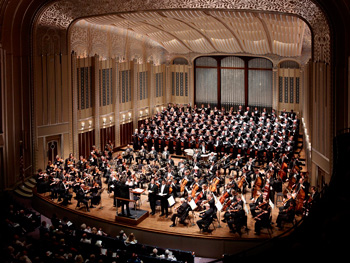 Maurice Duruflé’s Requiem is probably one of the best-beloved and most-performed choral works of the 20th century, but for reasons of economy, it’s most frequently heard in the composer’s reduction for organ, strings, and optional trumpets, harp and timpani — or even in the version for voices and organ alone. On Thursday evening, November 17 at Severance Hall, a stage full of Cleveland Orchestra musicians joined the Cleveland Orchestra Chorus under the baton of Matthew Halls to bring the full tonal spectrum of Duruflé’s Gregorian-fueled masterpiece to life. [Read more…]
by Daniel Hathaway
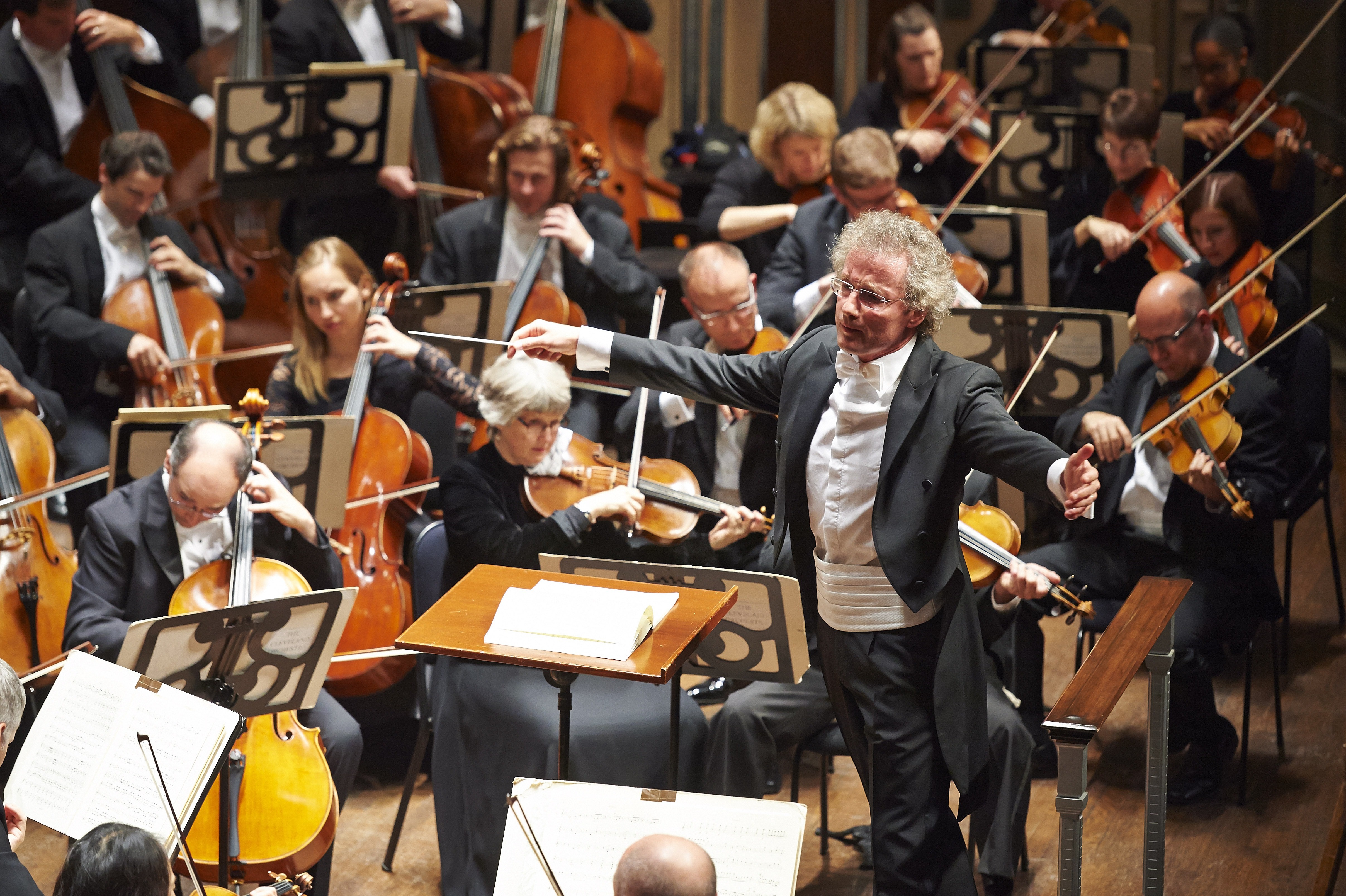 There would be lots of musical benefits if time travel ever became a reality. You could go back and ask J.S. Bach some pertinent questions, find out what really happened at the premiere of The Rite of Spring, and experience the music of Ottorino Respighi with fresh ears before his spectacular orchestral extravaganzas got appropriated by Hollywood. [Read more…]
by Daniel Hathaway
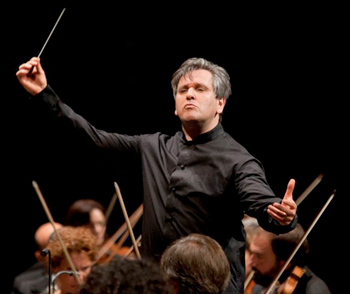 Love comes in infinite varieties, and three of them were represented on The Cleveland Orchestra’s program on Saturday, April 30. The program began with Richard Wagner’s “Prelude and Love-Death” from Tristan and Isolde (the romantic-tragic kind of love), continued with Ernest Chausson’s Poem of Love and the Sea (the poetic-tragic flavor), and ended with Richard Strauss’s Ein Heldenleben (the narcissistic sort). [Read more…]
by Nicholas Jones
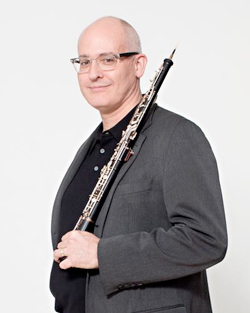 It’s not that rare that poems are used on recitals to complement the music, but it’s unusual to find a concert that features poetry and music on a relatively equal basis, and to find the poems written by one of the lead performers. That was the case this weekend, however, at the Heights Arts concert, “The Sung Path,” featuring Oberlin Conservatory Professor and Cleveland Orchestra English hornist Robert Walters. The combination inspired our reviewer, an occasional poet, to some verses of his own; as an academic, he thought it best to add some footnotes as well. —ed.
[Read more…]
by Daniel Hathaway
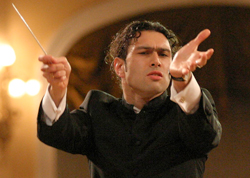 The latest Cleveland Orchestra Fridays@7 event on February 5 took a new tack. Instead of programming world music before and after an hour-or-so long Orchestra performance, the Severance Hall management brought in a DJ and set up both the upper and lower lobbies with couches, comfortable chairs, and tables. This laid-back approach to the evening provided more opportunities for patrons to hang out, enjoy drinks, and have lingering conversations after the performance without having to shout over supercharged sound systems. A nice change. [Read more…]
by Nicholas Jones
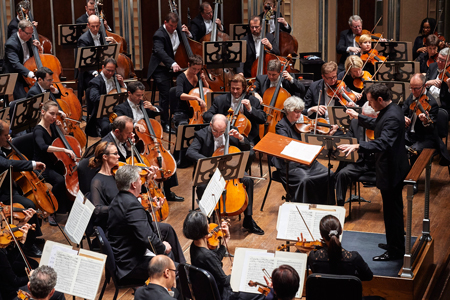 In the closing movements of Hector Berlioz’s Symphonie Fantastique, the full brass section makes a spectacular entrance. In 1830, it must have seemed a sound that had never been heard before. Even in the jaded 21st century, it has a startling sonic complexity — at times as metallic as a locomotive’s firebox, and at others as smooth as the oiled bearings that drive the machine. [Read more…]