


by Mike Telin
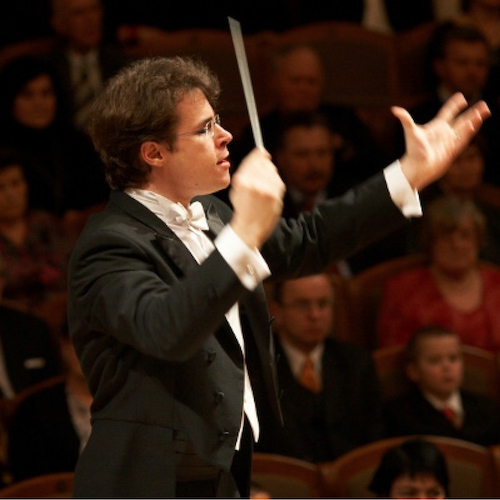 When Czech conductor Jakub Hrůša makes his annual visit to Cleveland, audiences have come to expect that the concert will include a gem that is rarely, if ever, performed at Severance Hall. His past programs have included Martinů’s Parables, Dvořák’s The Golden Spinning Wheel, Janáček’s Jealousy, and Suk’s Asrael Symphony.
On Thursday, November 15 at 7:30 pm, Hrůša will keep that tradition alive when he leads The Cleveland Orchestra in Miloslav Kabeláč’s Mystery of Time. “I think he is the most important symphonist of 20th-century Czech music after Martinů,” the conductor said during a telephone interview. The concert will also include Stravinsky’s Capriccio (for piano and orchestra) featuring Emanuel Ax, and Shostakovich’s Symphony No. 5. The program will be repeated on Saturday, November 17 at 8:00 pm, and Sunday November 18 at 3:00 pm. Tickets are available online.
Hrůša noted that the lineage of Czech symphonic composers begins with Dvořák, whom he called the “founder” of that repertoire. “Then you have Smetana, who was not interested in the symphony but wrote symphonic poems. After that is [Zdeněk] Fibich, then Janáček — who never wrote a symphony, then Martinů with his six symphonies. There is always the question of who is next.”
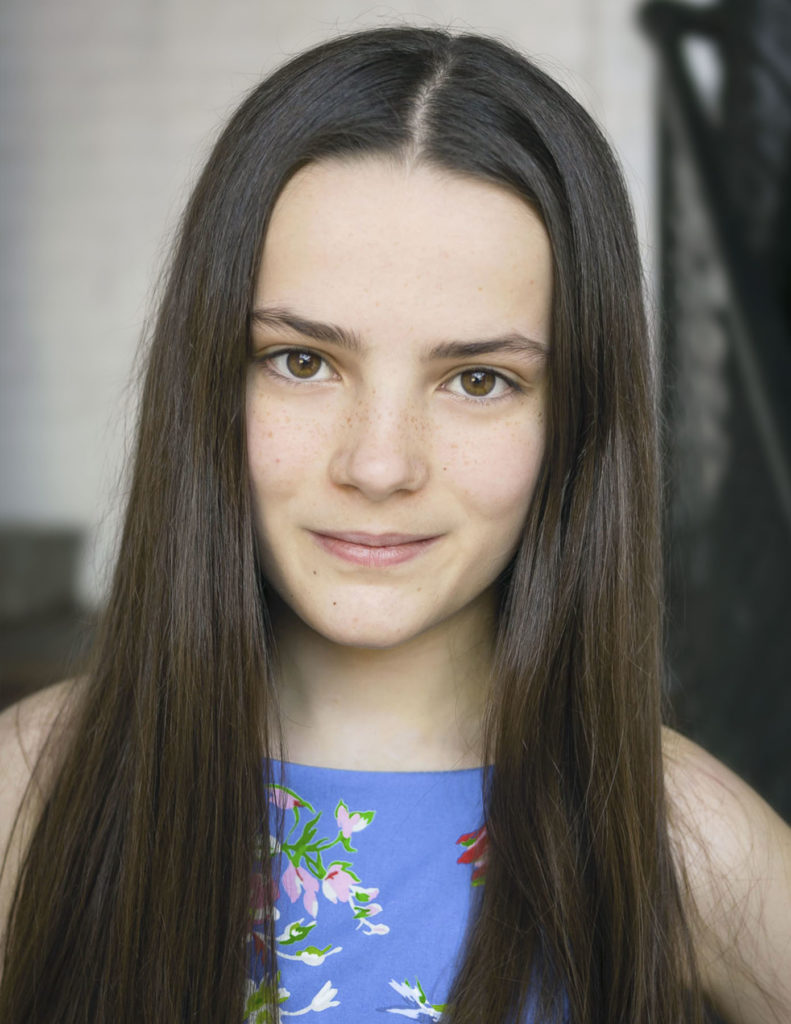 There are certain people in the world who amaze you with how deeply they feel about what they do. After my recent telephone conversation with fourteen-year-old violinist Célina Béthoux, I can say that she’s one of them.
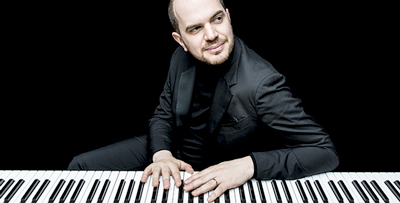 “I’ve been looking forward to this concert,” pianist Kirill Gerstein said by telephone from his home in Berlin. “This was the piece with which I met The Cleveland Orchestra for the first time at Blossom, and it’s very nice to return with this wonderful concerto and to play it in Severance Hall.”
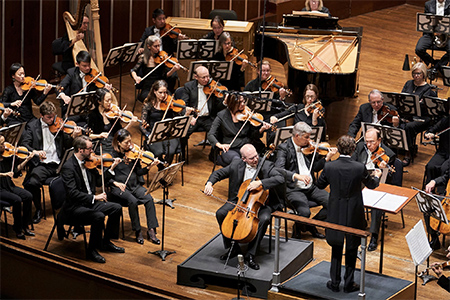 As autumn finally slammed Northeast Ohio with colder temperatures, the Toronto Symphony’s new music director- designate Gustavo Gimeno led The Cleveland Orchestra in a stimulating and shining program for his Severance Hall debut on Friday, October 18. This concert featured an early, ecstatic overture by Samuel Barber, an Alberto Ginastera concerto starring principal cello Mark Kosower, and a melody-drenched warhorse by Nikolai Rimsky-Korsakov.
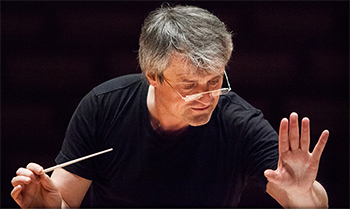 Good things come to those who wait. And when German conductor
 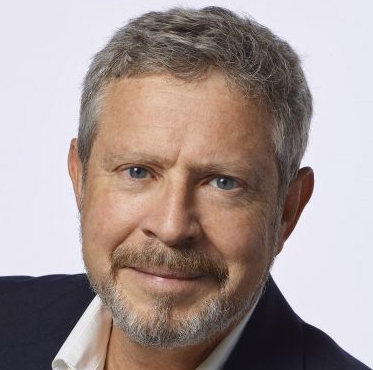 Most famous orchestral composers are people who either conduct or listen to orchestras rather than play in them. But there is a small cohort of professional orchestra musicians who step into the composer spotlight.
 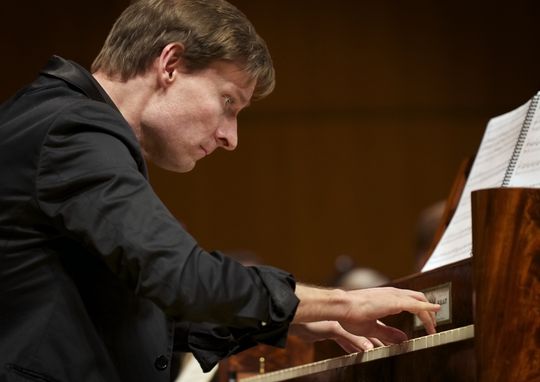 Any concert that features a first-rate ensemble, with a respected and rising conductor at the helm and a renowned soloist as a guest, will make for a great evening’s worth of music-making. However, some events seem to invite the audience to levitate in their seats, absorbed and enchanted. Jonathan Cohen drew extraordinary sounds from The Cleveland Orchestra in one such concert last week. When pianist Kristian Bezuidenhout joined in, the assembled musicians achieved something like transcendence.
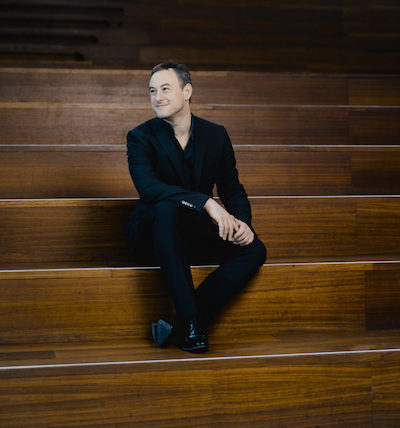 Québec’s chamber orchestra Les Violons du Roy got its name from France’s royal court orchestra of yore. But the group’s new leader, Jonathan Cohen, is not a Gallic king — neither in reality nor in ego.
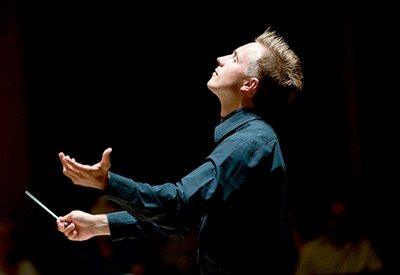 The days become shorter and hotter. School resumes. Vacationers unpack. We all know how this part of the summer feels: at once hazy and pell-mell, static and sped up. Northeast Ohioans can celebrate the fact that, for the fifth year running, The Cleveland Orchestra is inviting listeners into its cool urban home for the Summers@Severance series. In the second of three concerts, conductor Vasily Petrenko made good on the Orchestra’s new vow to tell “stories…without a single word,” through music born of travel and migration.
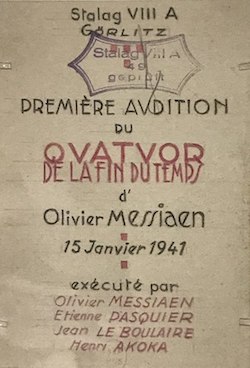 Drafted into the French army at the start of World War II, Olivier Messiaen soon found himself captured by the Germans and held at the prisoner-of-war camp known as Stalag VIII-A. There, a guard with a love of music provided the composer with the necessities of his craft —