

by Daniel Hathaway
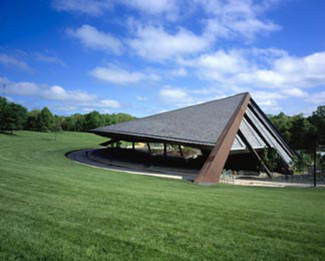
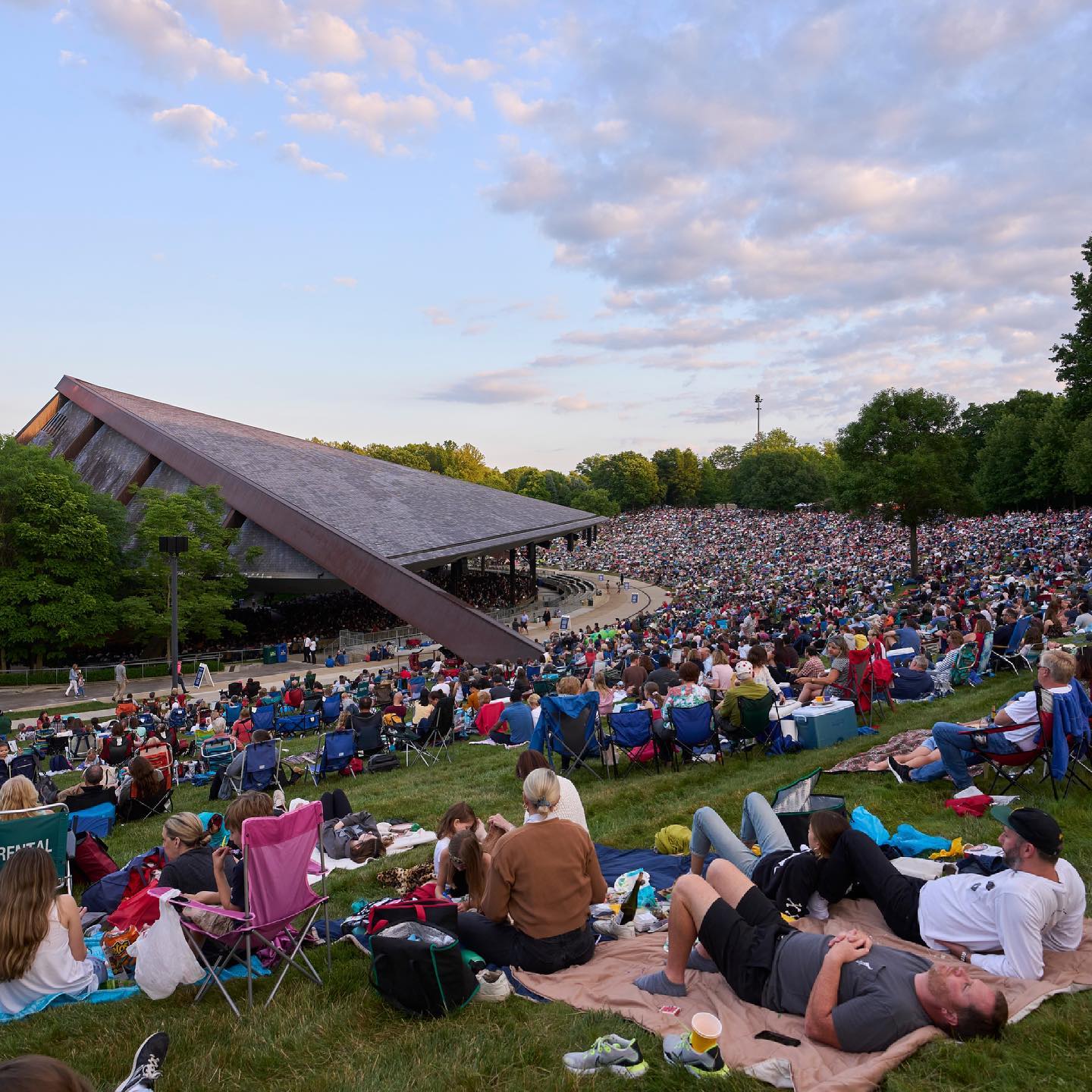
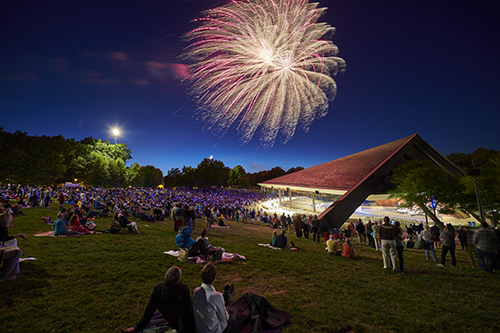
In place of today’s Diary, on the official observance of Independence Day let’s celebrate the return of live performances by The Cleveland Orchestra at Blossom in two photos that vividly tell a before-and-after story. No. 2 is part of a set that the Orchestra’s official photographer Roger Mastroianni posted to his Facebook page over the weekend.
 HAPPENING THIS WEEKEND: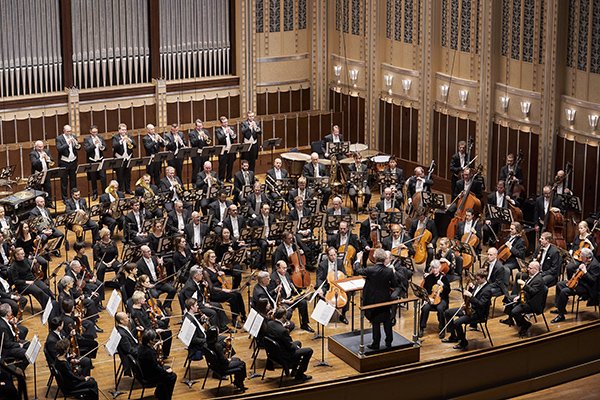
 HAPPENING TODAY:
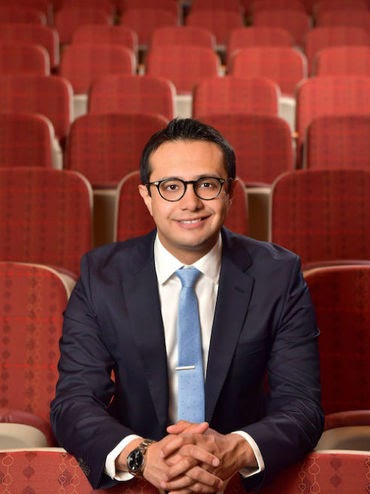 “What a year!” Kent Blossom Music Festival director Ricardo Sepúlveda said in a recent telephone conversation. “But we’ve been fortunate. The challenges of the pandemic provided us with opportunities to learn, to explore, to be creative and innovative, and how to adapt to rapid change.”
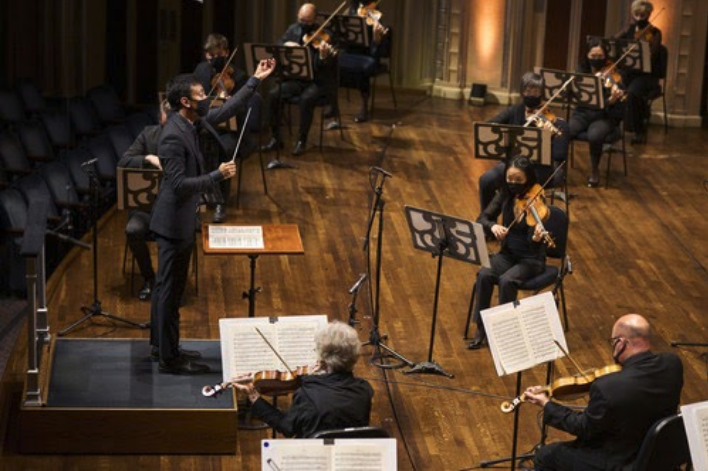 What has happened to June? The sudden flood of openings and return to in-person performances has made the month fly past, but also left some unfinished business — like a review of The Cleveland Orchestra’s In Focus Episode 12, subtitled “Celestial Serenades” that features works by Aaron Jay Kernis and Josef Suk.
 NEWS BRIEFS:
 TODAY’S ALMANAC:
 LIVE AND IN-PERSON THIS WEEKEND:
 Since many Clevelanders don’t have a clue why State Route 91 in Cuyahoga and Lake Counties is called SOM Center Road, maybe it’s time to rename at least one five-mile segment of that thoroughfare that passes through the centers of Solon, Orange, and Mayfield townships.
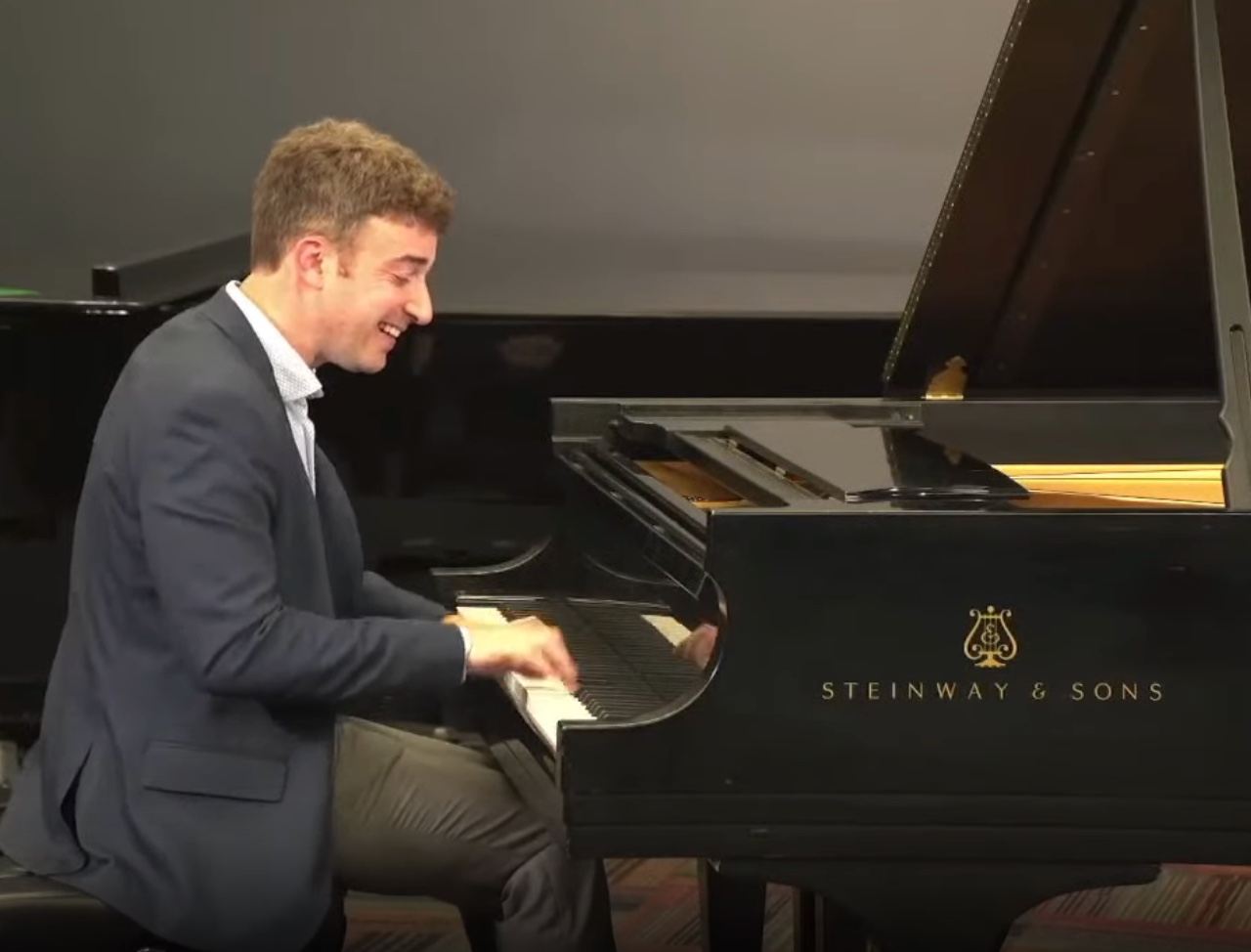 Many pianists win prizes in international piano competitions but few return to the scenes of their triumphs to run them.