



by Rory O’Donoghue
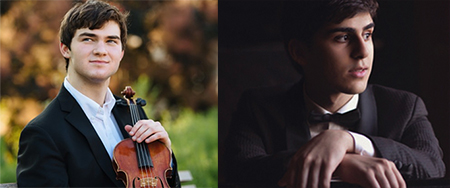 There are rare, perfect moments in chamber music where minds meld and hearts coalesce in beautiful synergy. Violinist Nathan Meltzer and pianist Evren Ozel, both young phenoms, did just that with their pre-concert performance of Franck’s Violin Sonata during ChamberFest Cleveland’s Folklorica on Sunday, June 23 in CWRU’s Harkness Chapel. On an afternoon packed with stellar musicianship, the two distilled Franck down to its exquisite essence. I doubt I will ever hear a better rendition. [Read more…]
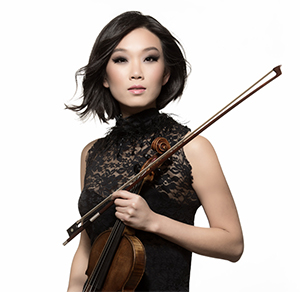 The Maureen Choi Quartet brought joyful energy to the Bop Stop stage during their concert on June 20, performing a fresh and fun set of works from their recent album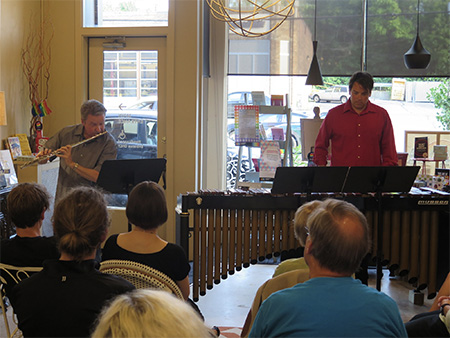
 The Kent Blossom Music Festival returns this weekend, marking the 51st season of Kent State University’s collaboration with The Cleveland Orchestra. From June 30 to August 4, the Festival boasts a five-concert Faculty Series and a ten-concert Young Artist Series, including its annual side-by-side performance between students and The Cleveland Orchestra under the direction of Bramwell Tovey.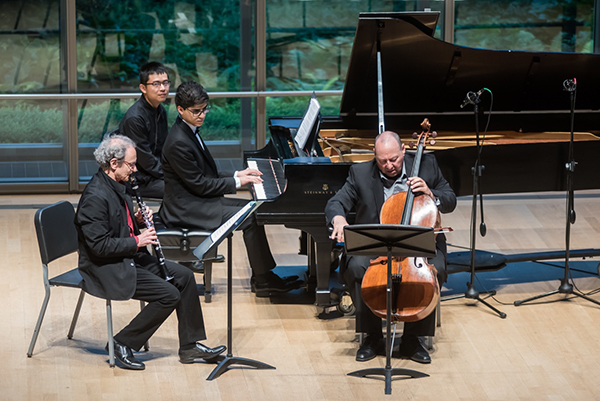
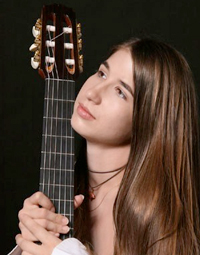 Czech guitarist Petra Poláčková returned to the Cleveland International Classical Guitar Festival with a performance that gained in confidence and character as it went along on Sunday, June 9 in CIM’s Mixon Hall.
 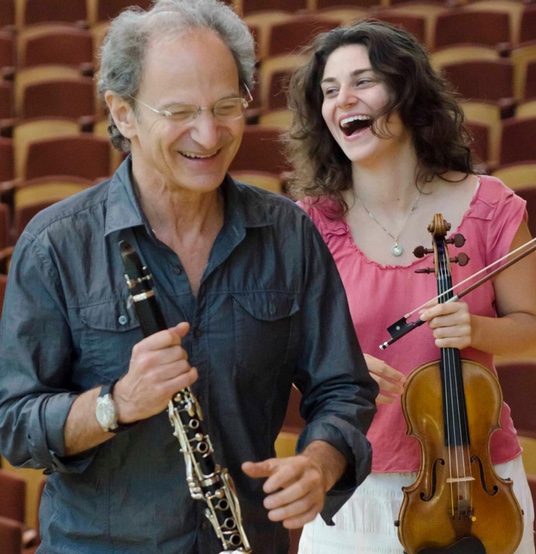 “This year’s ChamberFest — the way everything’s turned out — is really quite satisfying. It makes me smile.” I could almost hear Franklin Cohen grinning through the phone.
  “We look forward to smashing the heteropatriarchy with you,” cellist Benjamin Swartz said before performing a program of Sofia Gubaidulina, Tamar Diesendruck, and Kaija Saariaho with Boston-based string trio Sound Energy. The group closed the second concert of this year’s Re:Sound New and Experimental Music Festival on Friday June 7 at The Magalen, which featured a sensational first half by the Berrow Duo and made a strong case for the many daring voices of 21st century composers.
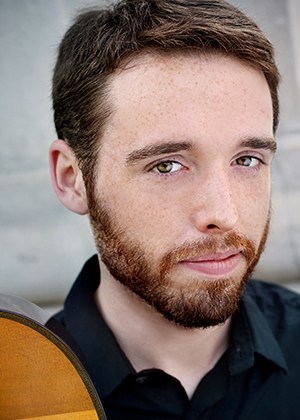 Guitarist Colin Davin explored the relationship between old and new on his opening recital of the 19th Annual Cleveland International Guitar Festival on June 6, pairing Steve Reich’s
 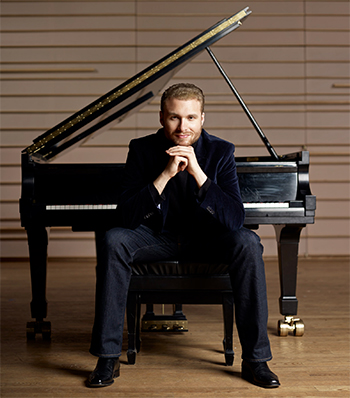 For pianist Adam Golka, arranging should be organic. Along with his good friend Roman Rabinovitch, he’ll perform his new arrangement of Debussy’s luminous