


by Mike Telin
 Although composer Dawn Sonntag was well-versed in writing art song, vocal chamber music, and works for chorus, there was one thing missing from her catalogue of works for the voice — an opera. “I wanted to compose one but I had not found a libretto that I connected with,” the Associate Professor of Music and Chair of the Music Department at Hiram College said during a telephone conversation.
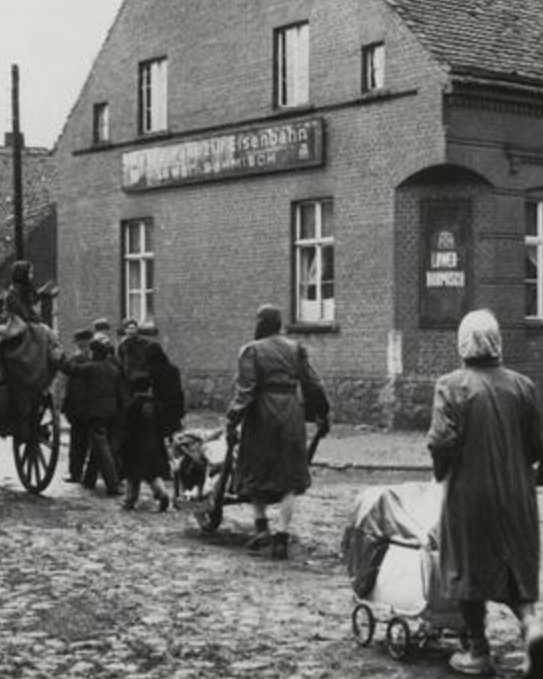
Then one night during dinner with her mother-in-law, that changed. “I knew she had been born and spent part of her childhood in East Prussia, but I didn’t know why she had left. So I asked her and she told me the whole story. And when I was listening to it I thought, this is it!”
On Saturday, January 27 at 7:30 pm at the Maltz Center for the Performing Arts, Cleveland Opera Theater will present the Cleveland premiere of Dawn Sonntag’s Verlorene Heimat (“Lost Homeland”) as part of the company’s {NOW} Festival. Presented in collaboration with the Cleveland Composers’ Guild, the opera is based on the true story of the East Prussian refugee family of Christa Neuber Kuske (1937 – 2012) and the Jewish-Ukrainian girl they sheltered.


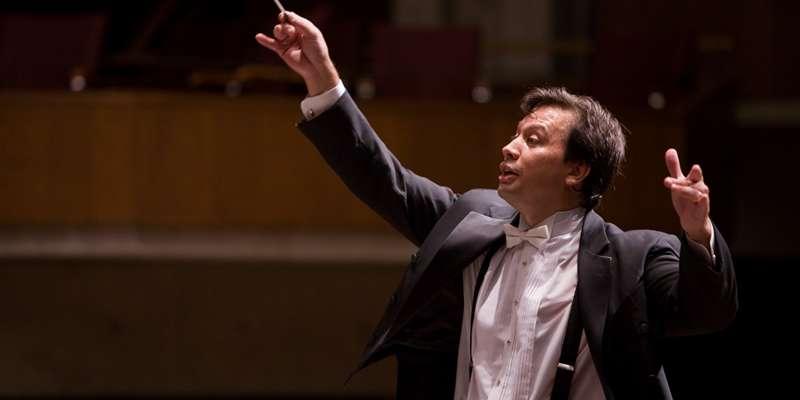 “I can look at all four symphonies of Brahms and say, ‘Oh that one is my favorite.’ Then I think, ‘No this one is,’” conductor Daniel Hege said during a recent telephone conversation. “But I have so much admiration for the Second Symphony. It has a lot of passion and emotional power all the way through, including a brilliant finish.”
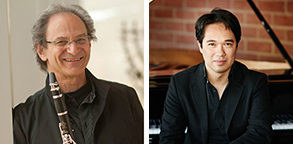 Friends of fifteen years will come together as duo partners in the next concert on the Arts Renaissance Tremont series. On Sunday, January 21 at 3:00 pm at Pilgrim Congregational Church, clarinetist Franklin Cohen and pianist Zsolt Bognár will play a program that includes art songs by Beethoven and Fauré, two famous sonatas by Poulenc and Brahms, and a rarely-heard sonata by Mieczysław Weinberg. A freewill offering is requested.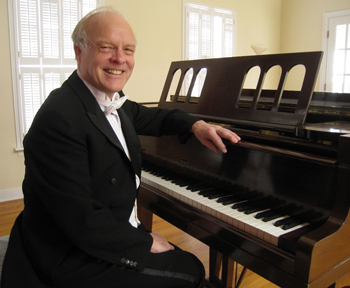
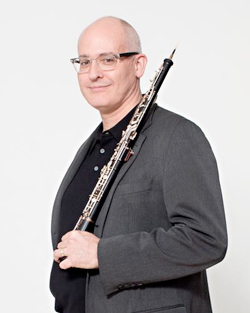 In a humanities class at the Curtis Institute of Music in the 1980s, professor Joan Landis asked a young Robert Walters to do something he had never done before: read a poem aloud. It was Wallace Stevens’