



by Daniel Hathaway
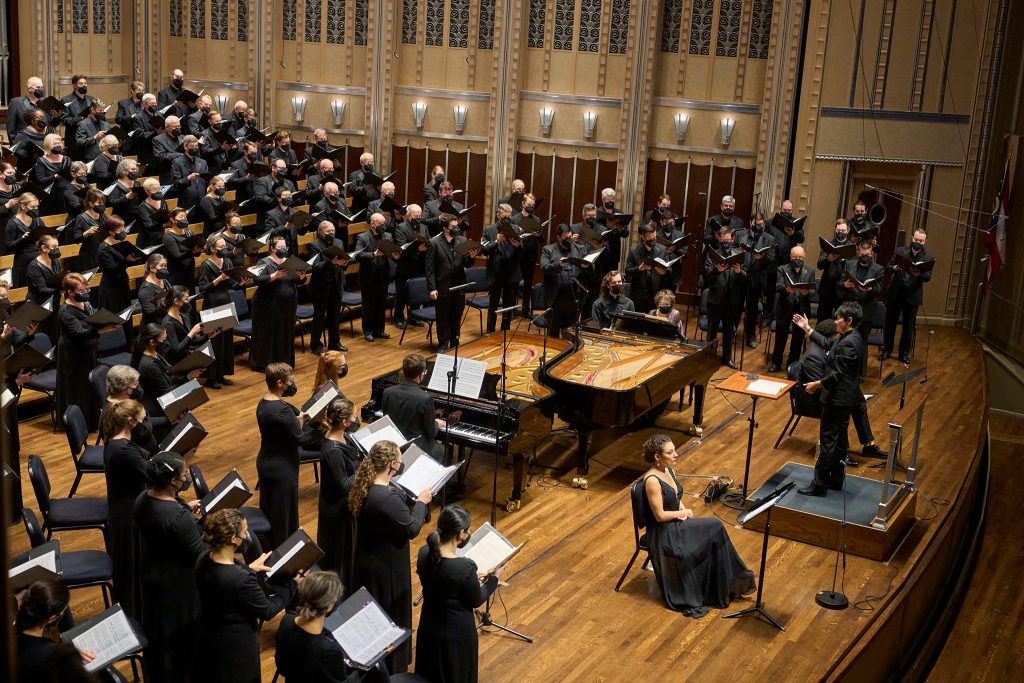 Like the exiles in The Book of Isaiah who returned rejoicing to Zion, the Cleveland Orchestra Chorus jubilantly revisited Severance Music Center, the scene of many past triumphs, on Thursday evening, October 28. Chorus director Lisa Wong was on the podium, Johannes Brahms’ Ein Deutsches Requiem was in singers’ hands and on their lips, a pair of Steinways manned by Carolyn Warner and Daniel Overly sat dovetailed at center-stage, and a near-capacity audience witnessed the homecoming.
Had the Chorus been missed during its many months of silence? You bet it had. A thunderous welcome greeted the 120-some singers as they smartly filed onstage, to be matched at the other end of the evening by a warm and lengthy ovation for a job well done. [Read more…]
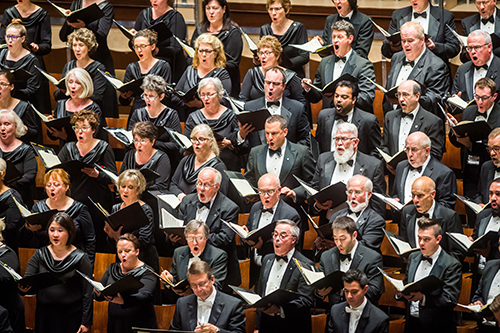 Whether it was the passing of his mother in February 1865 or the death of Robert Schumann later that same year, no one is certain what motivated Johannes Brahms to compose his large-scale, non-liturgical Requiem in the German language.
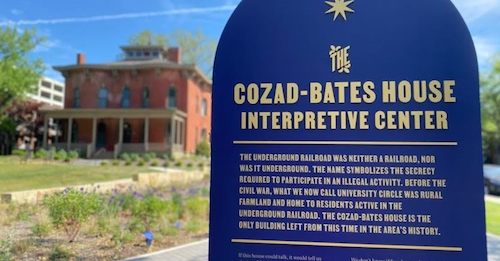 Last summer, according to Cleveland Orchestra violinist Isabel Trautwein, musicians from the Orchestra played 90-100 outdoor events. “These were driveway concerts and porch concerts with friends and students,” Trautwein said by telephone from her farm in Geneva (where she recently put on a program called
 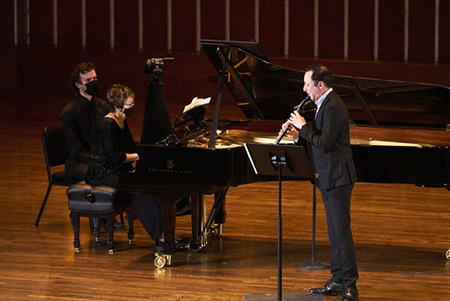 Before orchestras settled on the time-honored program formula of overture, concerto, and symphony — which many still observe — musical evenings were more varied and could include solo songs, piano pieces, and chamber music, in addition to orchestral works.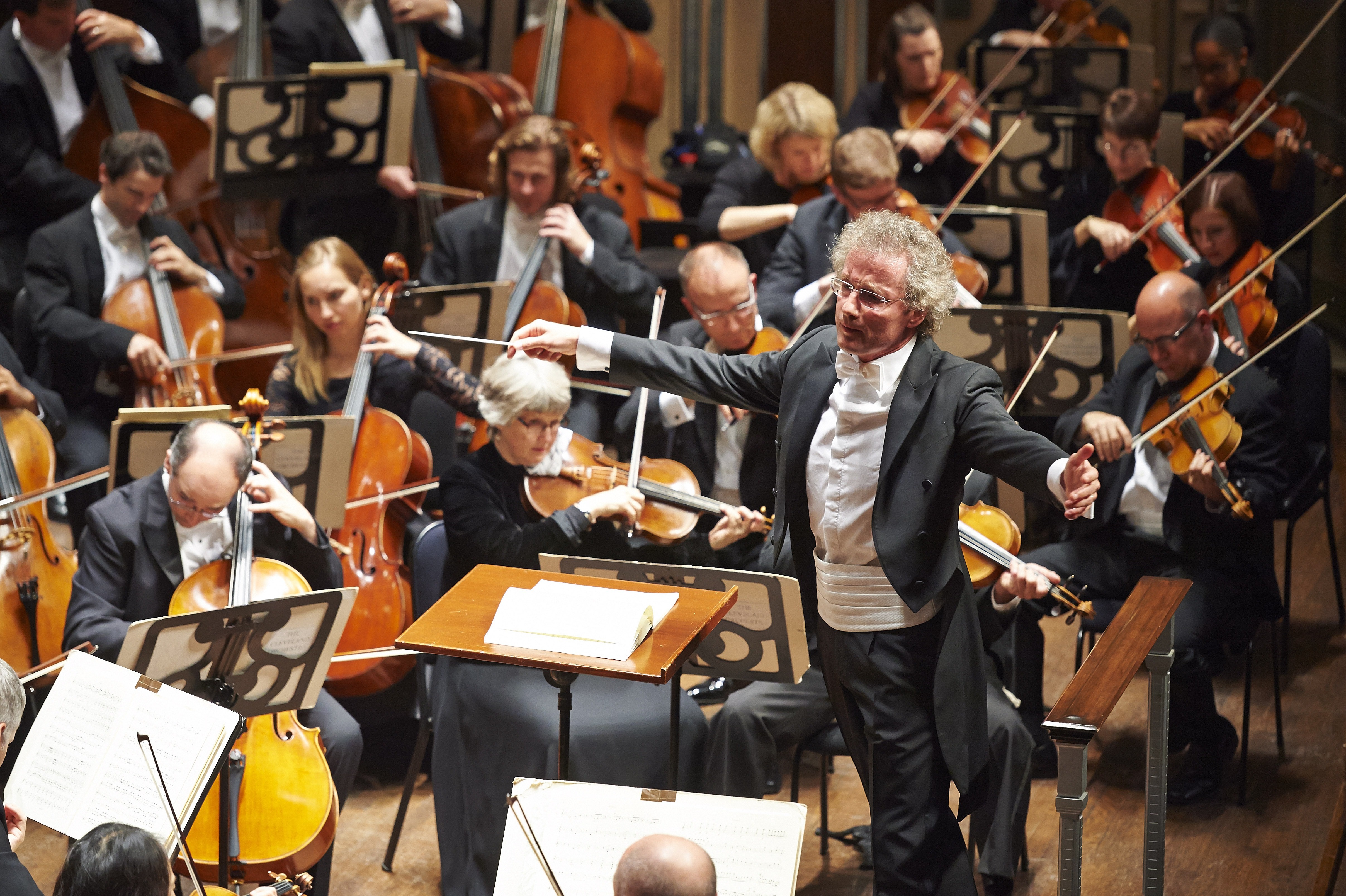
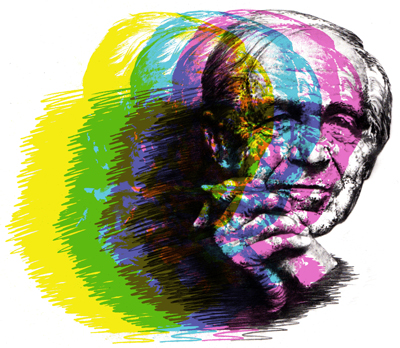
 The Elgar concerto was on the agenda for Cleveland native and international cello heroine Alisa Weilerstein’s most recent homecoming. On Thursday evening at Severance Hall, Weilerstein put her individual stamp on that iconic work in a penetrating and daring performance with The Cleveland Orchestra and Giancarlo Guerrero.
  PAND — Performers and Artists for Nuclear Disarmament — was formed in 1984 during the height of the U.S.-Soviet arms race, which threatened, even in the case of a limited nuclear war, to destroy human civilization and much of life on the Earth.
 ChamberFest Cleveland is doing it right. With ten concerts over eleven days blends thoughtful programming, diverse venues, exceptional musicians, and a convivial vibe for a musical experience as refreshing and sweet as the ice cream that’s served after some of the concerts. It’s an ideal model for the future of classical music.