by Stephanie Manning
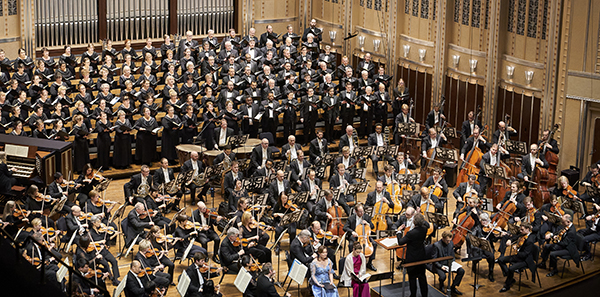
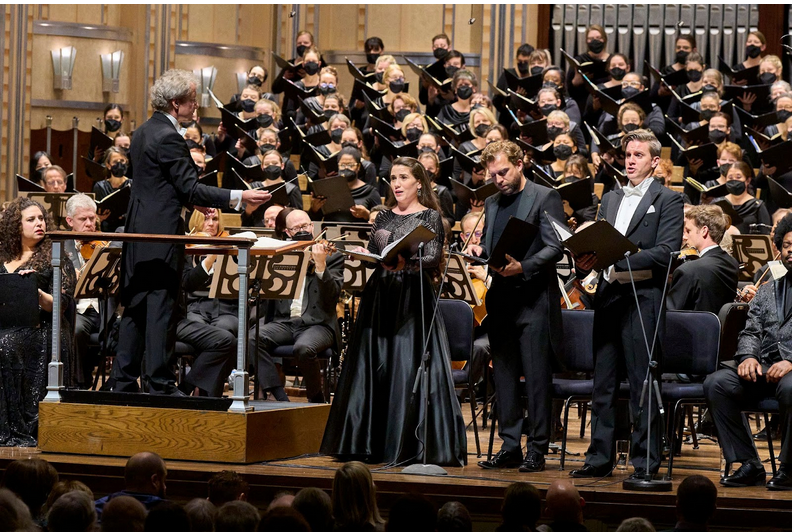 Perhaps Franz Schubert’s Symphony No. 8 is more complete than its “Unfinished” moniker implies. After all, the composer wrote and orchestrated two full movements, creating a kind of standalone half-symphony. But Severance Music Center audiences heard this work in a new way on January 13, when The Cleveland Orchestra and Franz Welser-Möst interlaced Schubert’s two memorable movements with an unexpected partner: Alban Berg’s Three Pieces from Lyric Suite.
The strings-only work by Berg has made relatively frequent appearances on the Orchestra’s programs. In 2021, the musicians recorded it for the In Focus series, and it appeared again on last year’s European tour. Friday’s rendition maintained the group’s characteristic light and effortless playing, each section blending as much as possible to echo the work’s original form as a string quartet. At fifteen minutes total, the piece is quite short, but the dense encoded musical meanings require some extra-attentive listening. Splitting up the three movements ensured that each one could be appreciated on its own. [Read more…]
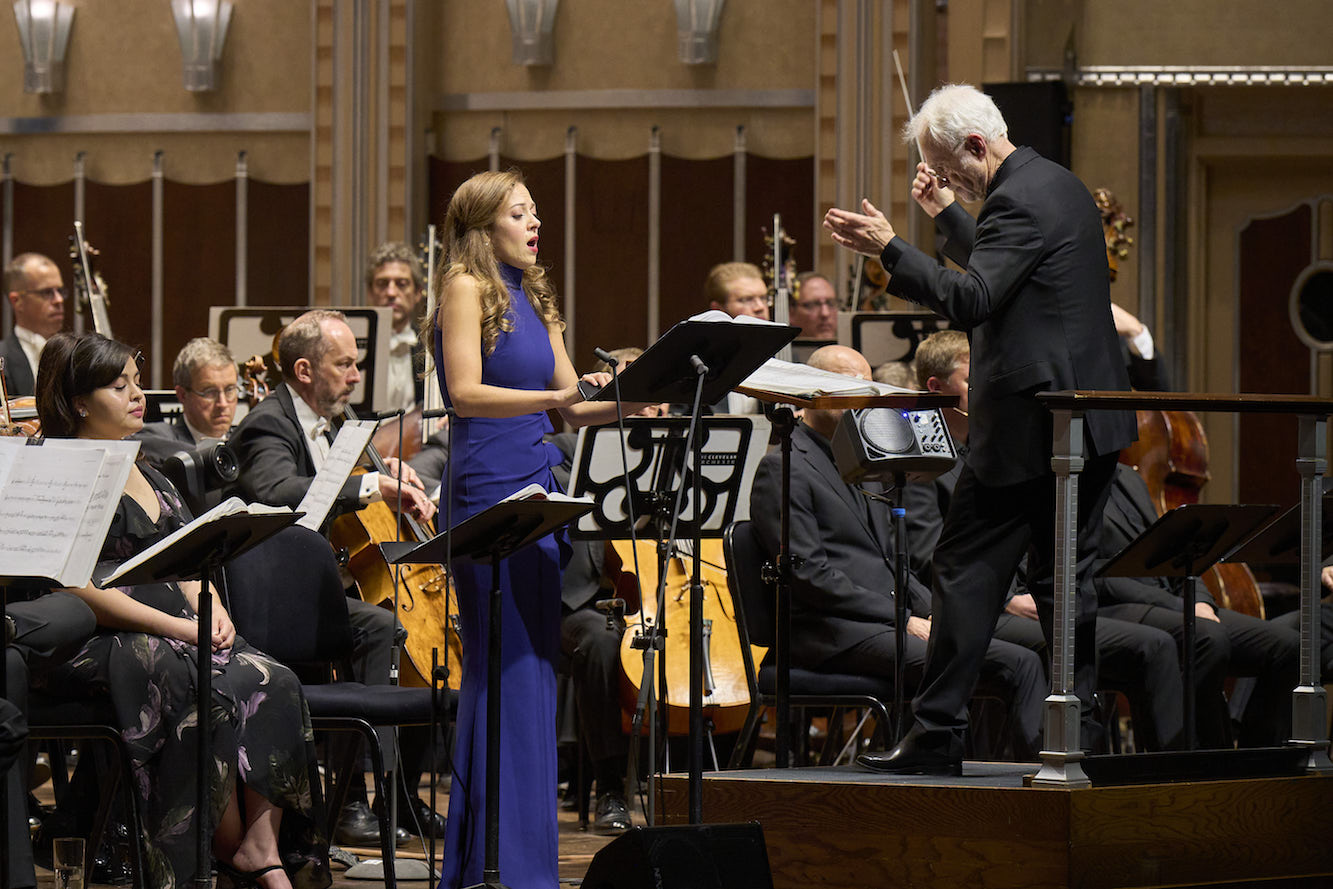
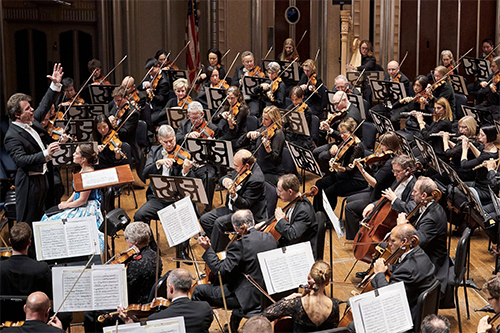
 Franz Welser-Möst led the final bows on Saturday night at Severance, like the star of any show should. The Cleveland Orchestra’s music director is in his element presiding over the ensemble’s annual opera production, which this season packs the drama. Verdi’s Otello — in a concert staging that opened May 21 and runs for two more performances (May 26 and 29) — demands big voices, instrumental forces to match, and a conductor who can give it all shape and direction.
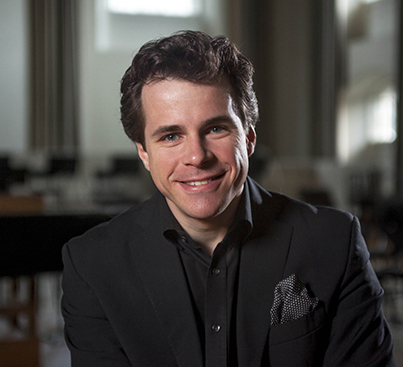
  “What gets me excited about holiday concerts? Honestly, everything about them,” conductor Brett Mitchell said during a telephone conversation. “Every performance is for the audience, but these concerts really are for them. There’s so much opportunity for banter, and every crowd feels different.”
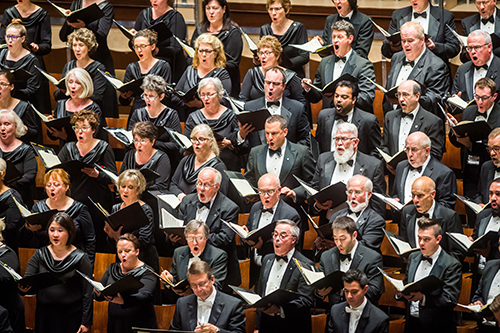
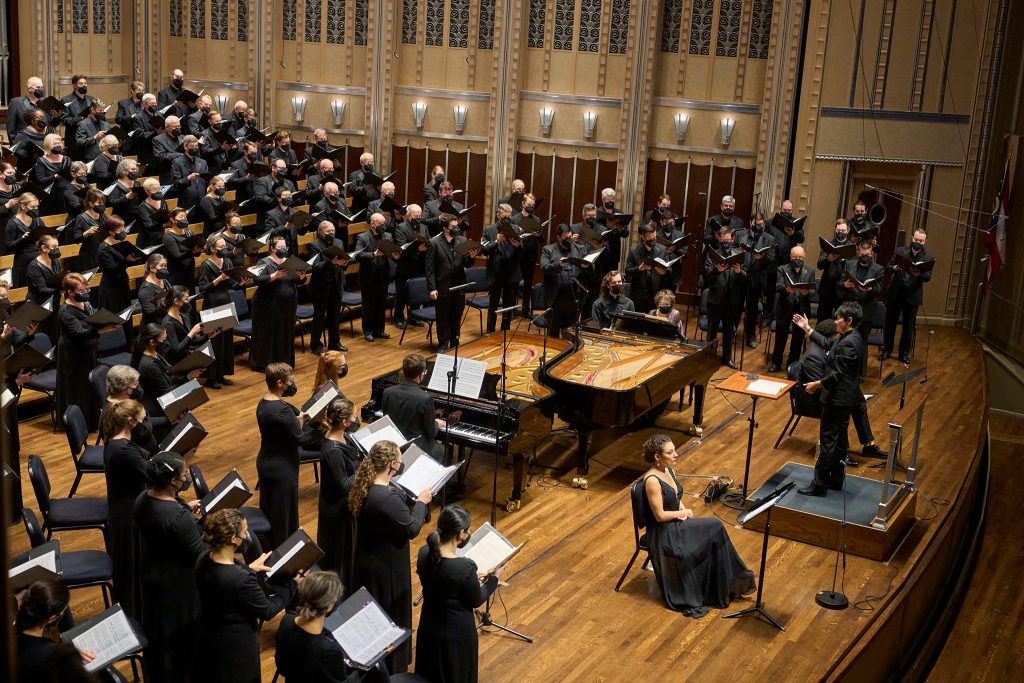 Like the exiles in The Book of Isaiah who returned rejoicing to Zion, the Cleveland Orchestra Chorus jubilantly revisited Severance Music Center, the scene of many past triumphs, on Thursday evening, October 28. Chorus director Lisa Wong was on the podium, Johannes Brahms’ Ein Deutsches Requiem was in singers’ hands and on their lips, a pair of Steinways manned by Carolyn Warner and Daniel Overly sat dovetailed at center-stage, and a near-capacity audience witnessed the homecoming.
 Whether it was the passing of his mother in February 1865 or the death of Robert Schumann later that same year, no one is certain what motivated Johannes Brahms to compose his large-scale, non-liturgical Requiem in the German language.