



by Daniel Hathaway
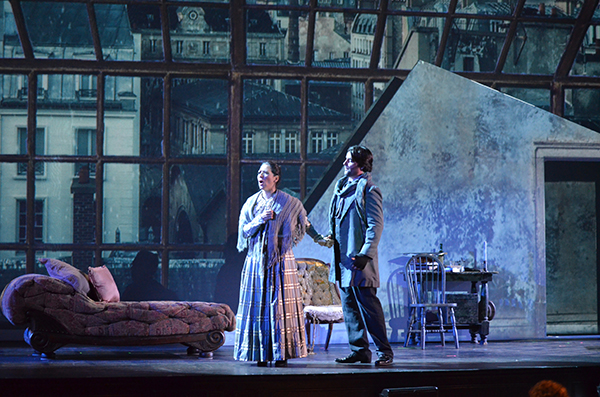 Puccini’s La Bohème was produced 598 times worldwide during the 2017-2018 season, making it the fourth most-performed title in the repertoire (trailing La traviata, Carmen, and The Magic Flute). It’s also the show that Cleveland Opera Theater chose for its move from venues like the Masonic Auditorium and the Maltz Performing Arts Center to the Ohio Theater, a more traditionally-outfitted house. On Friday, September 13, Scott Skiba’s clever production surrounded a fine cast with memorable scenic design by Matthew D. McCarren and projections by Brittany Merenda that brought a Parisian garret, the Café Momus, and a toll gate outside the city vividly to life in Playhouse Square.
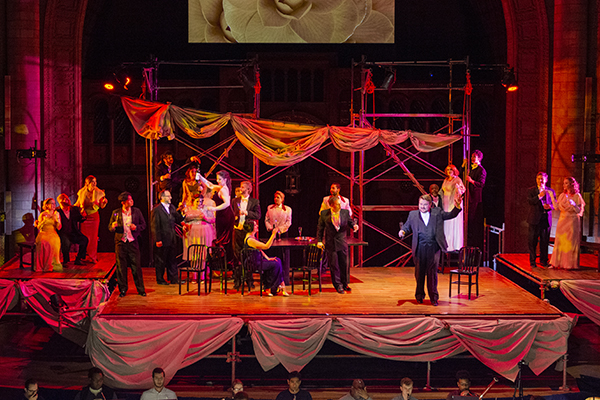
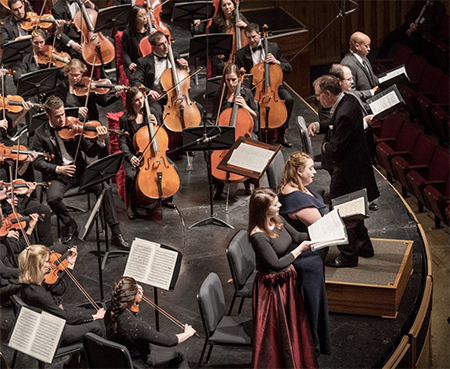
 Violetta Valéry is among the most popular of the many sopranos who die in the last acts of operas. You can relive the story of that “fallen woman” this weekend when Cleveland Opera Theater
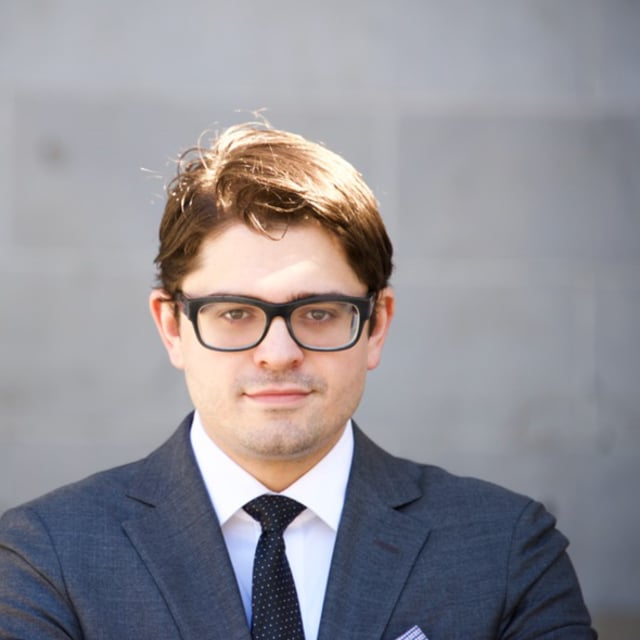 Dean Buck grew up on the West Side of Cleveland, then headed to New York City for four years of school and five years of work. Now he’s back, pursuing a master’s in conducting at the Cleveland Institute of Music and digging into the city’s freelance scene.
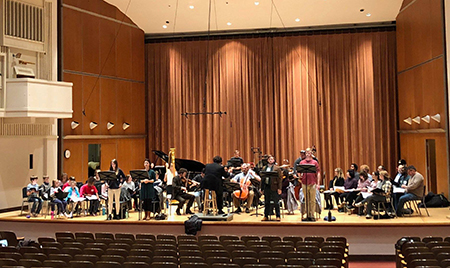 Growing up, composer Margaret Brouwer spent many wonderful summers enjoying the beauty of Lake Erie at her family’s cottage in Huron, Ohio. But when dangerous levels of algae blooms in the Lake’s western basin caused a water crisis in Toledo in 2014, the ensuing national conversation about environmental pollution and the state of the country’s drinking water became the source of inspiration for her