by Stephanie Manning
 This article was originally published on Cleveland.com
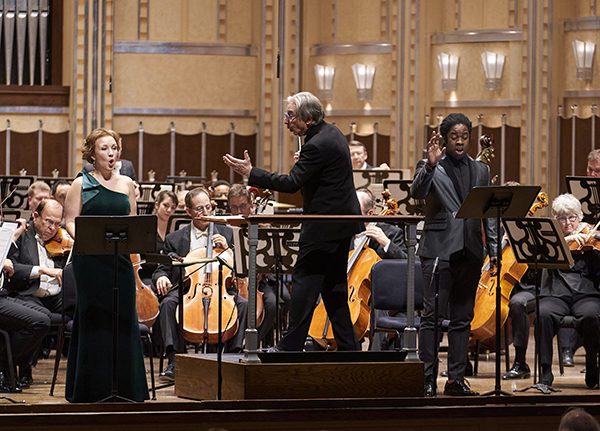
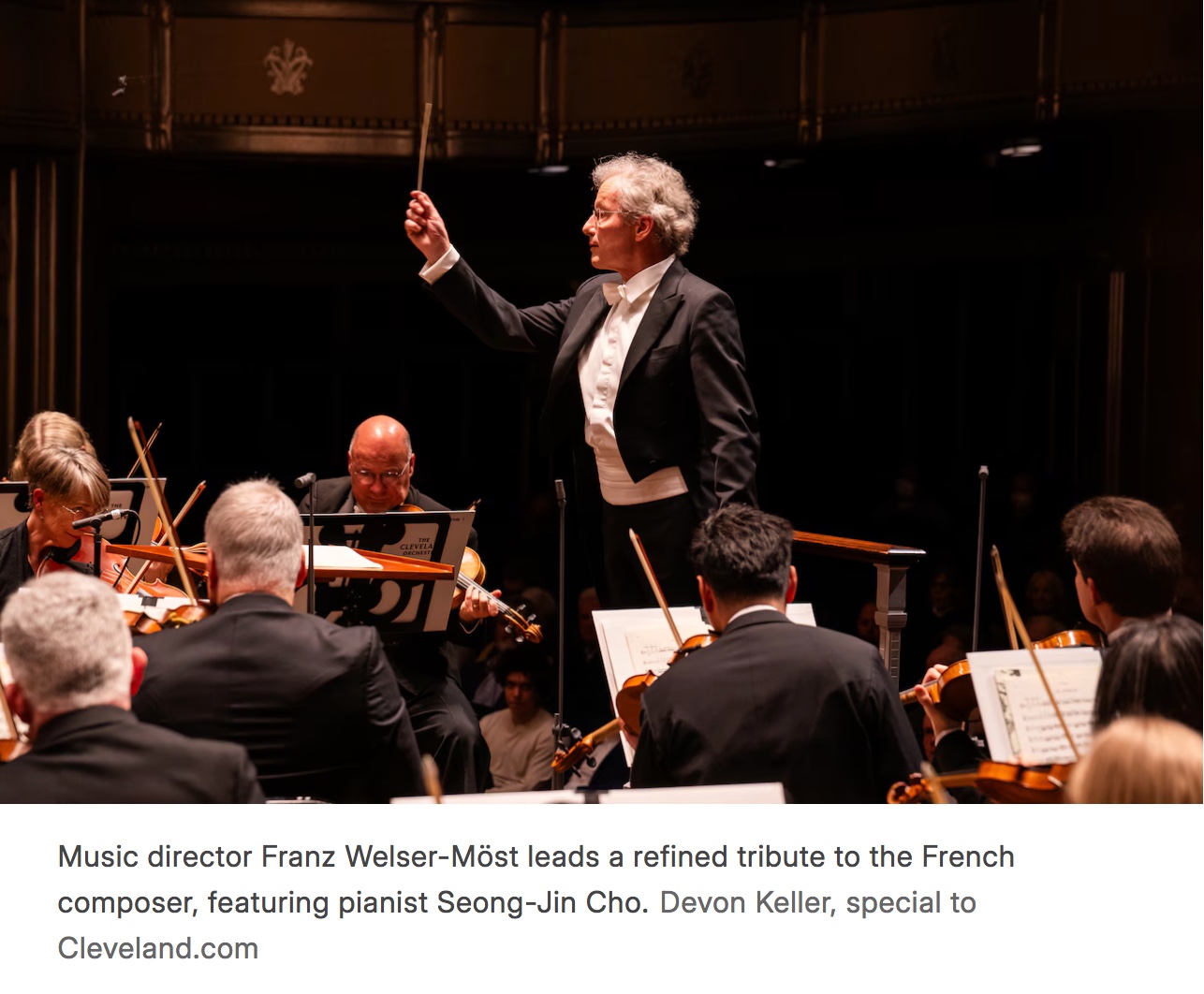
CLEVELAND, Ohio — This week’s Cleveland Orchestra programs were to have featured soprano Asmik Grigorian in Richard Strauss’s Four Last Songs. But when Grigorian withdrew last week for personal reasons, the focus changed to works by Beethoven while keeping intact the original theme of darkness into light.
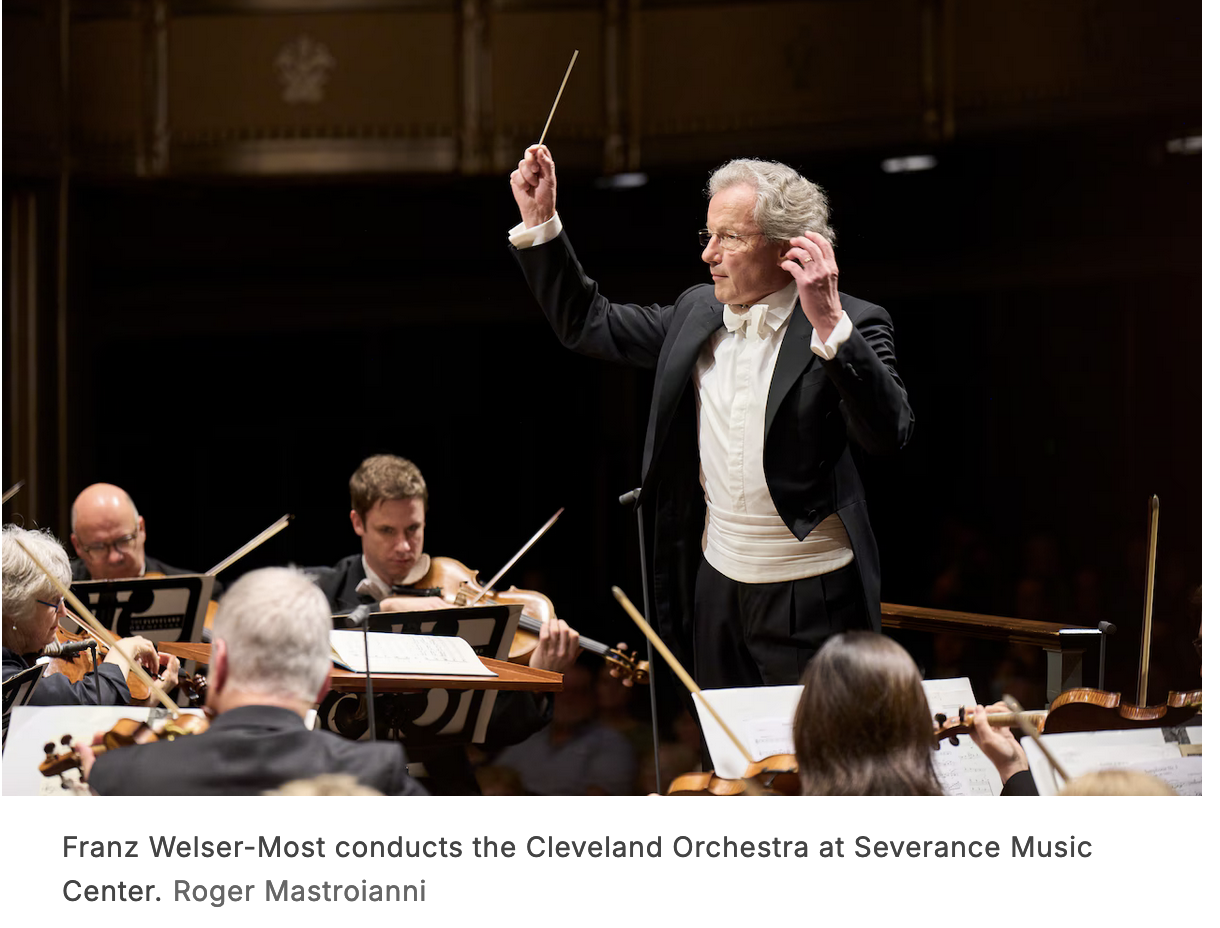
On Thursday, March 13, music director Franz Welser-Möst wasted no time arriving at what would usually be a concert’s main event. The very first notes that rang out in Severance Music Center formed the iconic four-note motif known around the world — the opening of Beethoven’s Fifth Symphony.
Yes, one of the most famous classical music pieces ever written opened the program instead of closing it. It’s an unconventional programming choice — but after all, Beethoven’s Fifth is a piece that needs little introduction. At least not today.
 This article was originally published on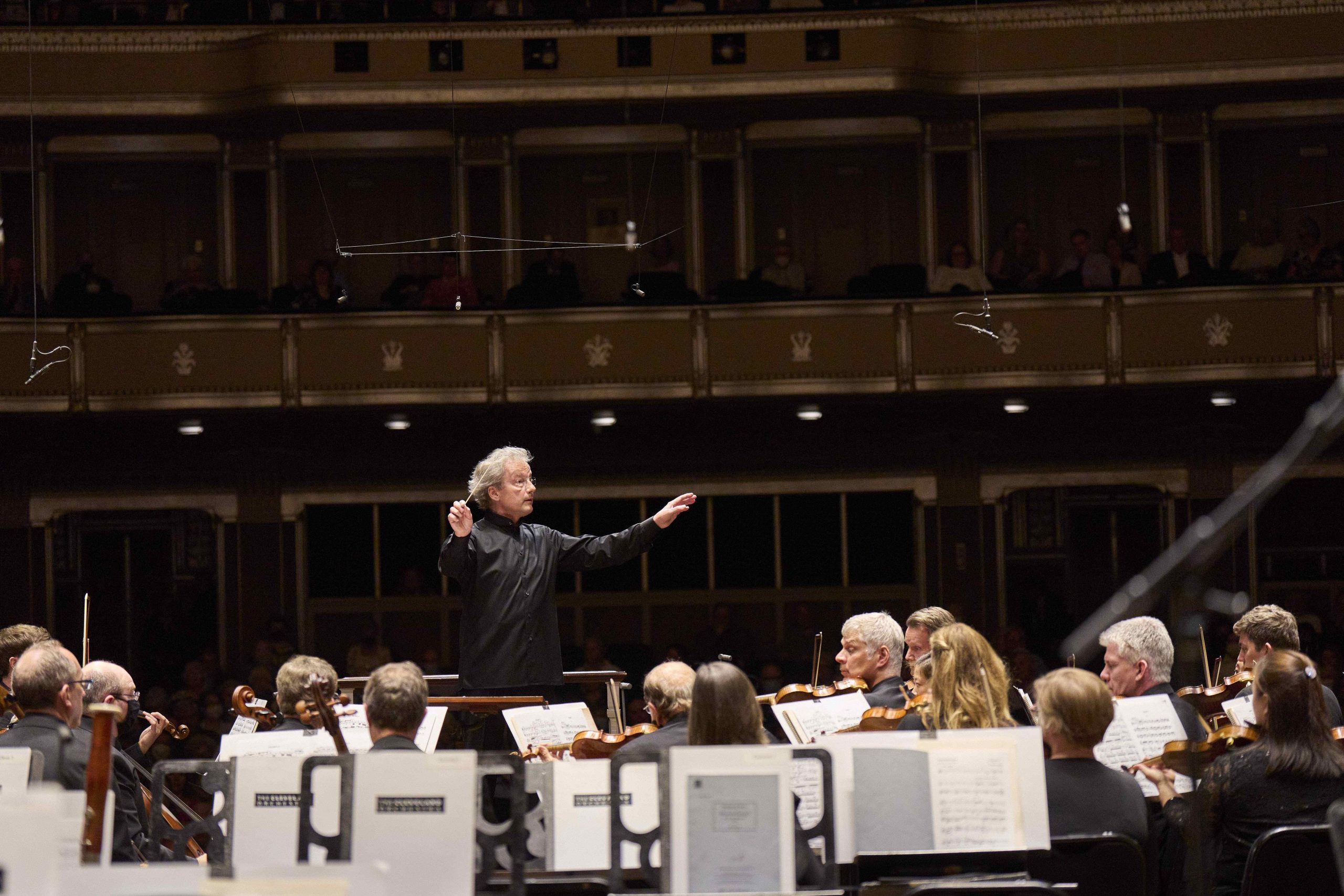
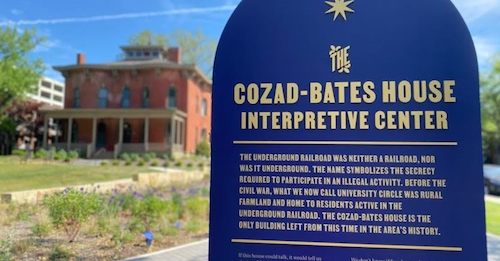 Last summer, according to Cleveland Orchestra violinist Isabel Trautwein, musicians from the Orchestra played 90-100 outdoor events. “These were driveway concerts and porch concerts with friends and students,” Trautwein said by telephone from her farm in Geneva (where she recently put on a program called
  From the podium, Herbert Blomstedt is always proving that there are new insights to be found in even the most well-trod pieces.
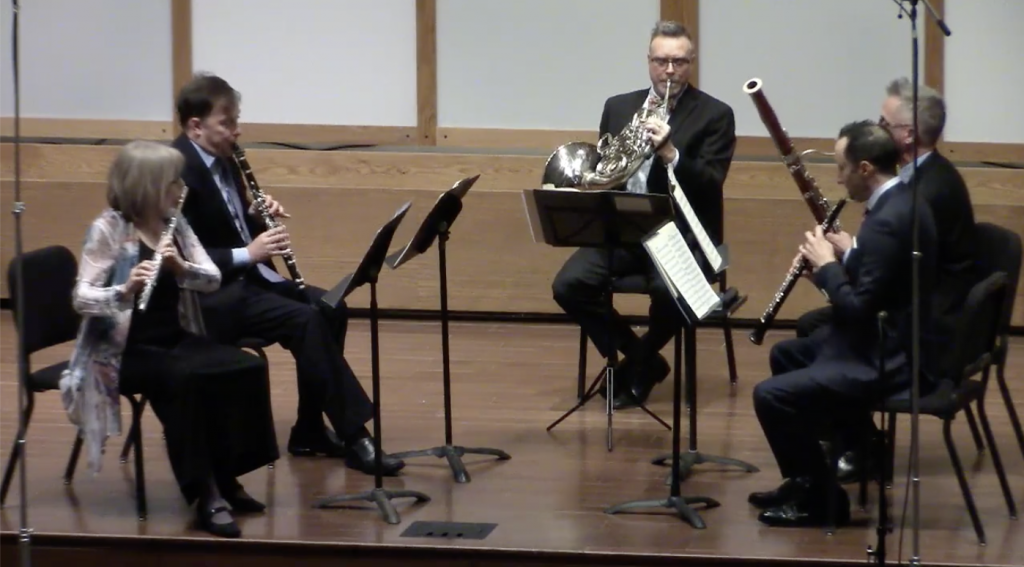 The Rocky River Chamber Music Society’s live-streamed 62nd season came to a rousing conclusion on Monday, May 17, when five wind players and a pianist came together around quintets by masters of old and new.
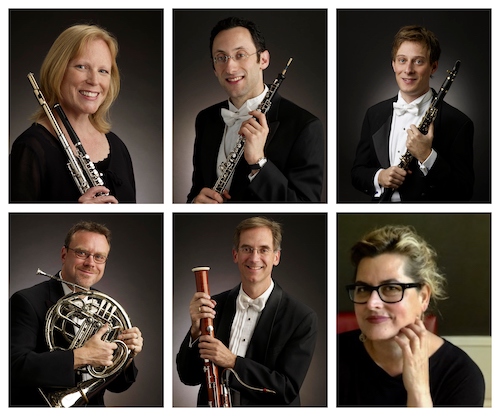 Lately, wind players have only been sighted here and there on the calendar, and have mostly performed all on their lonesome. That makes the finale to the Rocky River Chamber Music Society’s 62nd season an extra special occasion for anyone with a fondness for music of the lungs.
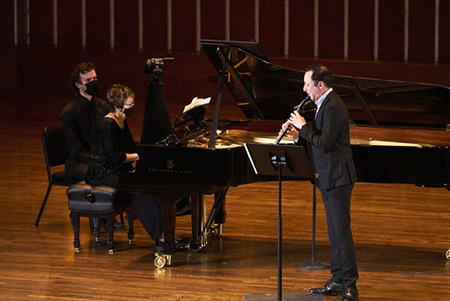 Before orchestras settled on the time-honored program formula of overture, concerto, and symphony — which many still observe — musical evenings were more varied and could include solo songs, piano pieces, and chamber music, in addition to orchestral works.
 The response to the pandemic from