


by Peter Feher

The Cleveland Orchestra took on a timeless subject, but added a modern touch, last weekend at Severance Music Center. War was the theme of this mostly somber program that started with the disillusionment of a 21st-century composer and ended with the conflict and triumph of Beethoven’s Symphony No. 3 (“Eroica”).
In a different ensemble’s interpretation, that trajectory could sound aggressive and even dispiriting. But with guest conductor Nikolaj Szeps-Znaider, the Orchestra committed to finding the beauty in every phrase, redeeming the rough edges of an otherwise excellent performance on Thursday, October 13.
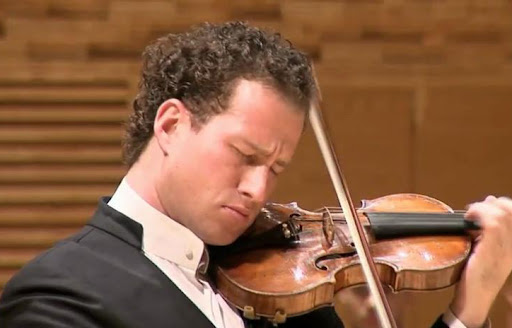
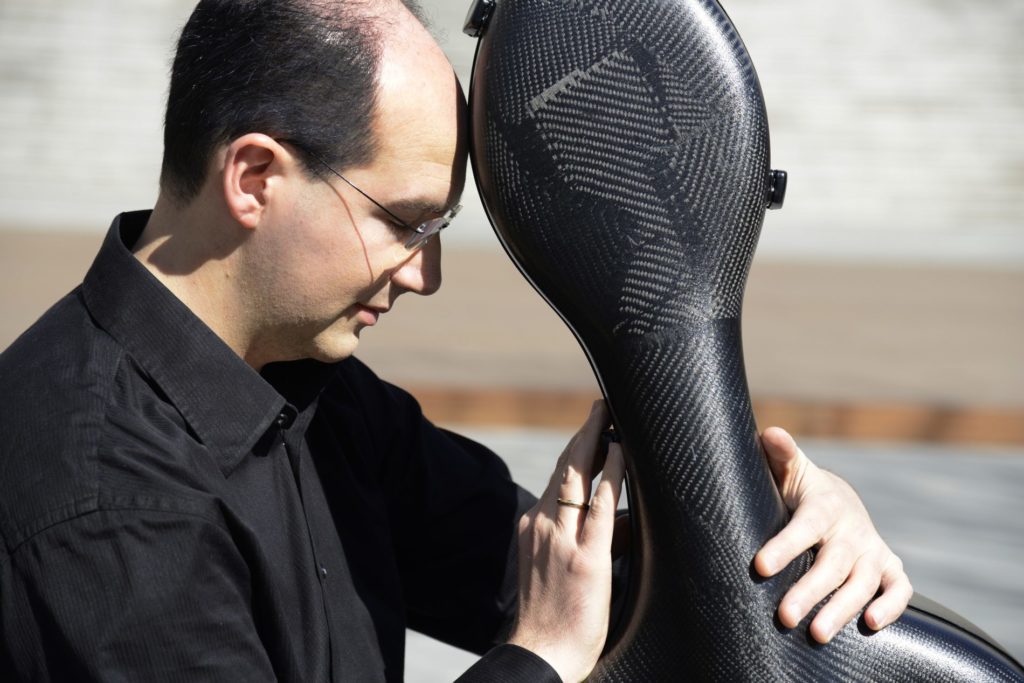 Since joining The Cleveland Orchestra as principal cello in 2010, Mark Kosower has thrilled audiences with his performances of concertos by Ginastera, Haydn, Dvořák, Barber, and Tchaikovsky.
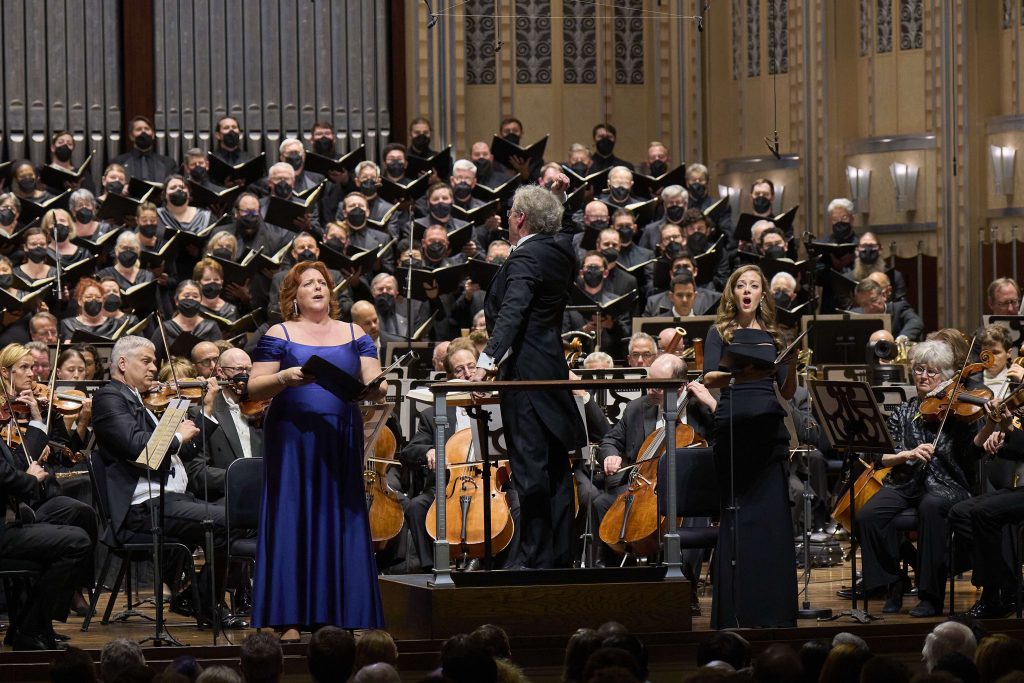
 The crowd at Blossom Music Center on July 16 received two concerts for the price of one. The Cleveland Orchestra went in a jazzy direction with the program’s first half, before turning to the dazzling symphonic repertoire that this ensemble does best.
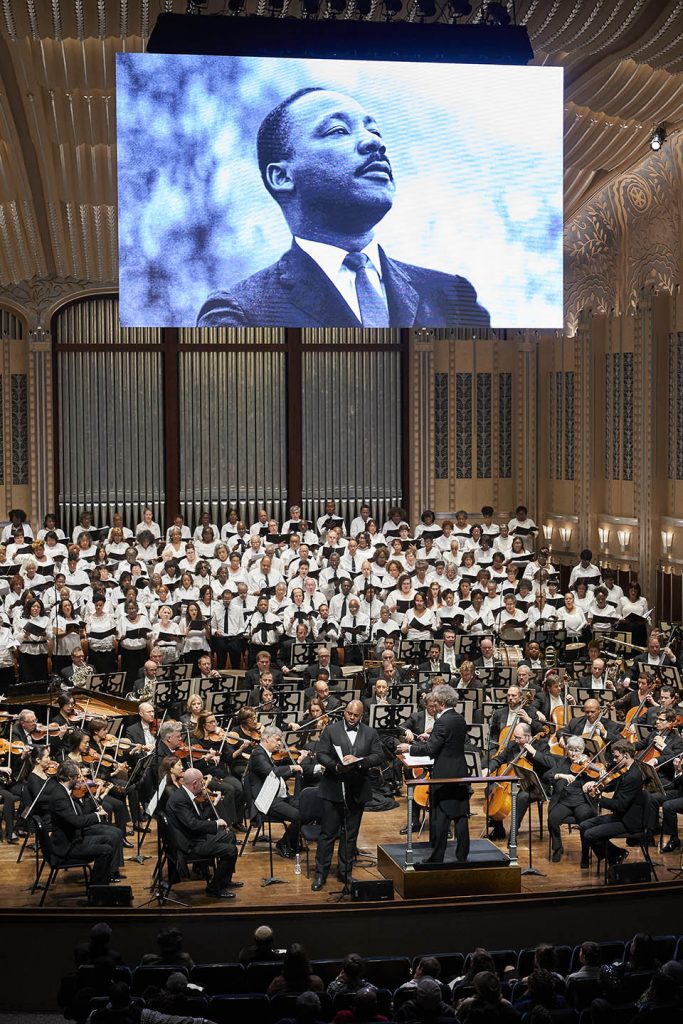
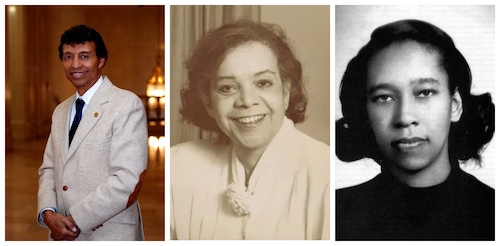 It was disappointing in January when The Cleveland Orchestra’s Martin Luther King Jr. Celebration Concert had to be postponed due to a surge in COVID. But there’s good news, and it’s two-fold.
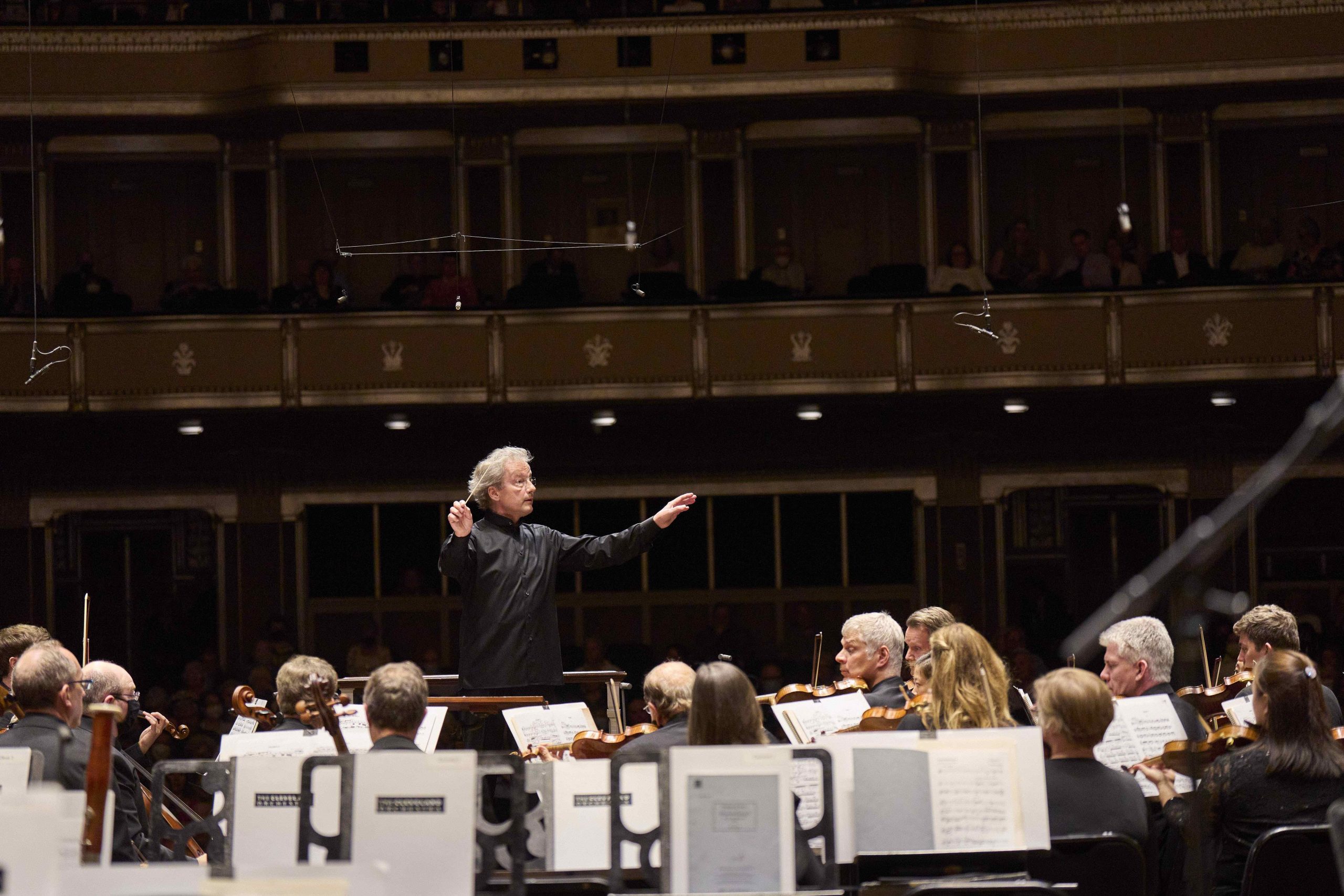
 Concluding this season’s Family Concert Series, The Cleveland Orchestra will use both theater and music to shine a spotlight on the singular figure of Joseph Bologne, Chevalier de Saint-Georges — composer, violinist, conductor, fencer, colonel, and abolitionist.
 No matter how many times certain symphonic staples are performed, the music always invites the opportunity to dig deeper — and on Friday, April 22 at Severance Music Center, The Cleveland Orchestra did just that. Under the baton of rising star Klaus Mäkelä, the ensemble took two masterworks in the classical canon to a new level with a performance that plumbed the emotional depths of both Sibelius and Shostakovich.