


by Timothy Robson
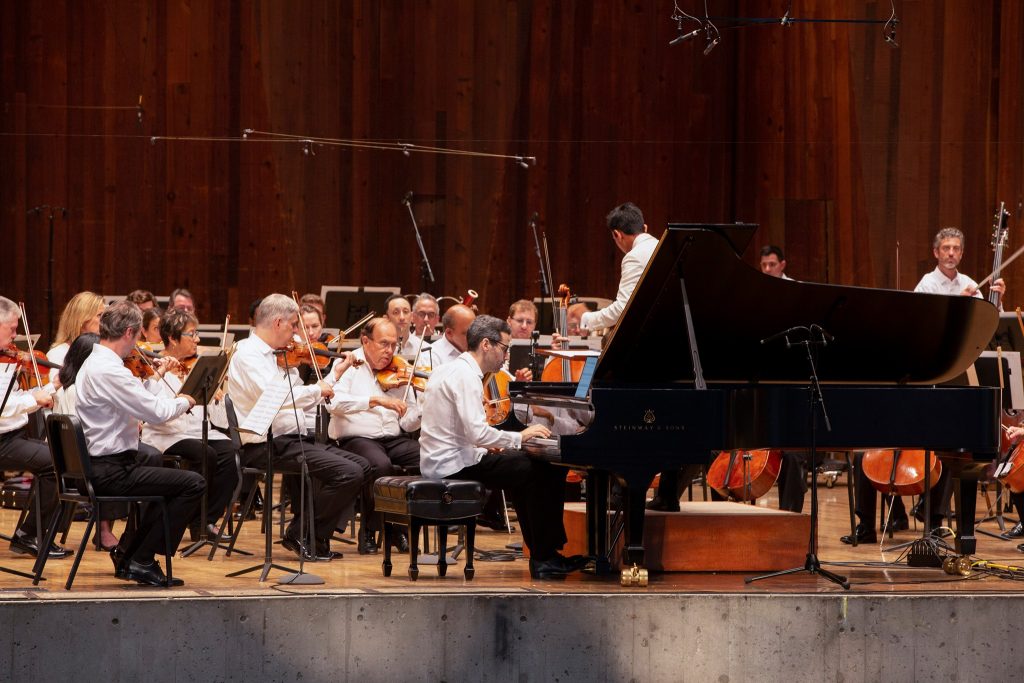 Few new works performed by The Cleveland Orchestra in recent memory have been as musically imaginative and sonically arresting as Caroline Shaw’s Watermark, which received its first Cleveland Orchestra performance at Blossom Music Center on Saturday evening, August 28. Pianist Jonathan Biss, for whom the piece was written, was the superb soloist, with associate conductor Vinay Parameswaran at the podium.
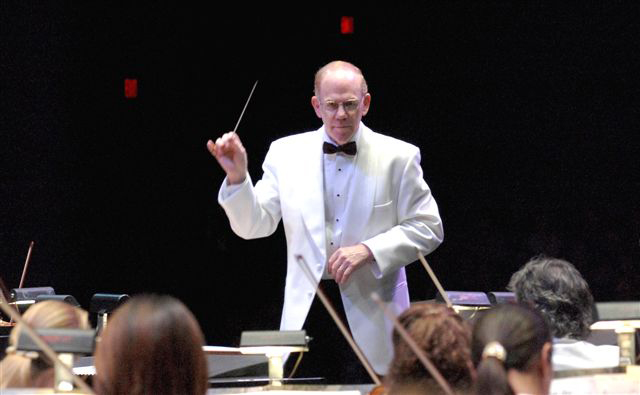 To Richard Kaufman, returning to Blossom this weekend to lead The Cleveland Orchestra in music by John Williams “is like winning the concert lottery.” The combination of a world-class orchestra, a beautiful venue, and fantastic music fills the conductor with enthusiasm for the two performances on September 4 and 5 at 7:00 pm.
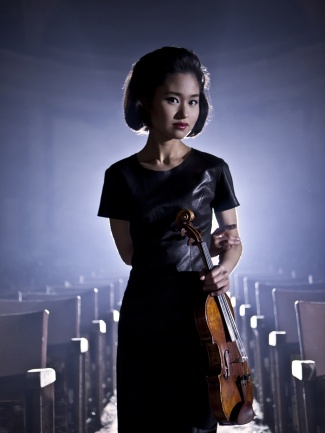 Having performed on three occasions with CityMusic Cleveland, Japanese violinist Sayaka Shoji is no stranger to Northeast Ohio audiences. But when she returns to Cleveland this Sunday, August 22, it will be to make her debut with The Cleveland Orchestra, performing Brahms’ sublime Violin Concerto.
 From the podium, Herbert Blomstedt is always proving that there are new insights to be found in even the most well-trod pieces.
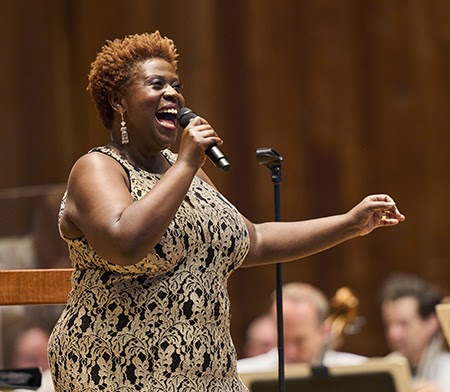 The stage was packed at Blossom Music Center on Sunday, July 18. The pops program of American songbook standards — part Broadway, part Hollywood, and part jazz — called for a full orchestra, plus a rhythm section up front and a row of saxophone players off to the side. This is music that can work with just piano and singer, but after months of pandemic-adapted performances, it was great to see a full-scale production.
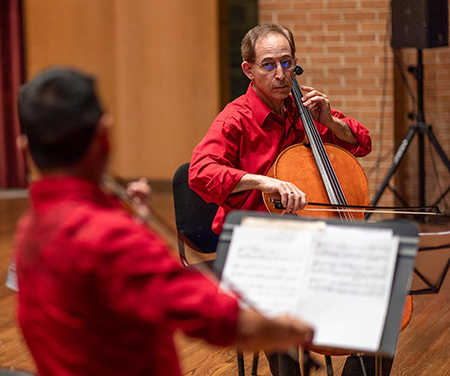 In his remarks before the July 28 Kent Blossom Music Festival concert, featuring members of The Cleveland Orchestra, Kent State University president Todd Diacon noted that while the past year has not been easy, “It has been made easier by the arts.” This statement was ratified by the performances that followed, where the freedom and passion in the musicians’ playing created a restorative sense of joy and optimism.
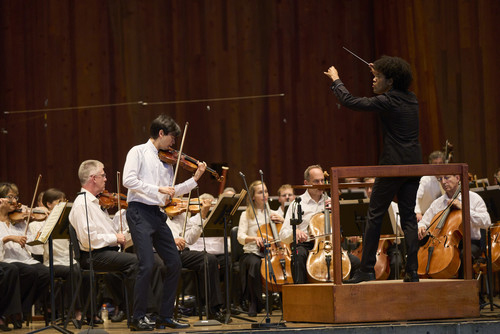 Venezuelan-born conductor Rafael Payare made his debut with The Cleveland Orchestra at Blossom Music Center on Sunday, July 25. Prokofiev’s Violin Concerto No. 2 featured Stefan Jackiw as soloist, and the program concluded with Antonín Dvořák’s evergreen “New World” Symphony. Payare is the music director of the San Diego Symphony and music director-designate of the Orchestre symphonique de Montréal.
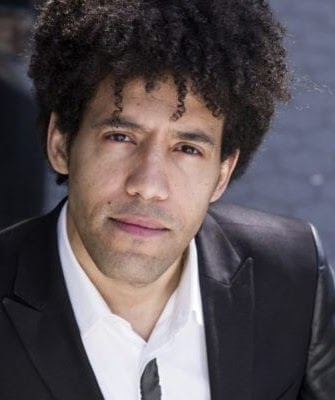 It’s fascinating how many people can recall the event that planted a career bug inside of them. For Rafael Payare, that event occurred while on tour in Italy as a member of the horn section of the National Children’s Orchestra of Venezuela. “This Italian maestro, Giuseppe Sinopoli, came. He spoke no Spanish and communicated only with his energy,” Payare recalled during a recent telephone conversation. “But he changed the sound of the orchestra in the first minute of rehearsal and that really impressed me. I thought, wow, when I am old and my hair is all white, I would love to be a conductor. So that is how the conducting bug got into me.”
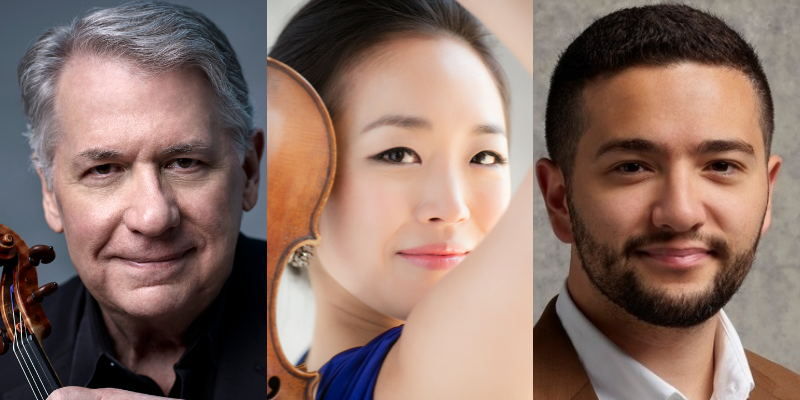 TONIGHT IN-PERSON AND ONLINE: