by Daniel Hathaway, Jarrett Hoffman, and Mike Telin
 With the recent spread of COVID-19, the opportunity to attend live classical music performances has come to a complete halt and will likely remain that way for the foreseeable future. Many organizations and individual artists are seeking to fill that void through online streaming.
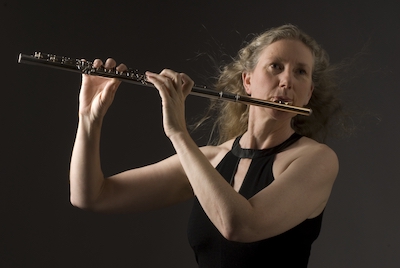
On Thursday, March 19, two area institutions presented the first of what will likely be many live-streamed concerts. At 4:30 pm in Oberlin Conservatory’s Stull Recital Hall, Flute Professor Alexa Still and Faculty Collaborative Pianist Evan Hines presented a program of works by Koechlin, Chopin, Coleman, and Debussy.
On the same day at 7:30 pm in Steinway Piano Gallery Cleveland, Piano Cleveland presented the first of its Quarantine Concerts. Pianist Yaron Kohlberg played selections by Schumann and Grieg, and duo pianists Irwin Shung and Natsumi Shibagaki played works by Bach, Rachmaninoff, and Gershwin.
Remotely streamed concerts raise an interesting question for journalists: is it possible to critically evaluate live performances when you’re not in the same room? Three of ClevelandClassical’s writers attempted to answer that and other questions about covering virtual performances.
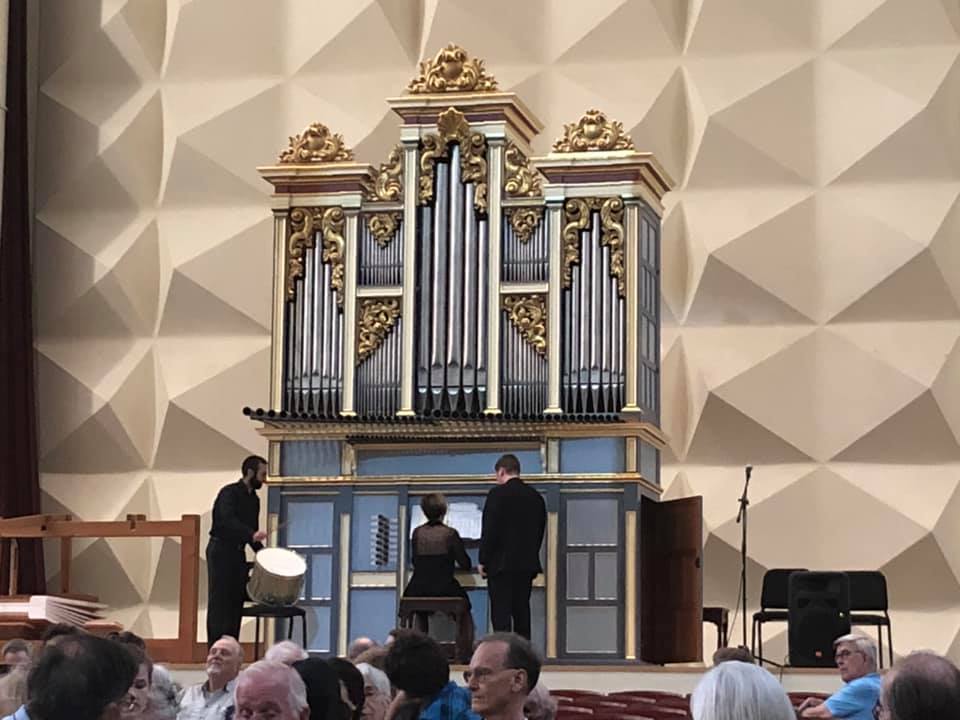 American organist Kimberly Marshall gave the first of a series of dedicatory recitals on Oberlin’s Fenner Douglass Memorial Organ on Sunday, September 22. An Oberlin alumnus, Douglass was Professor of Organ at the Conservatory from 1949 to 1974. The organ was originally built by Greg Harrold in 1989 for Pacific Lutheran Seminary in Berkeley, California. It was dismantled in 2017 and reinstalled at the rear of Warner Concert Hall in August 2018, where it sits at the opposite end of the room from its Dutch cousin, the large Flentrop organ in the front organ loft.
 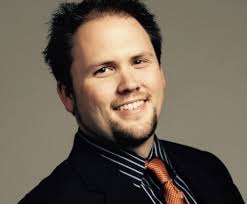 For many years, Jesse Jones has led a double musical life. In one, he serves on the composition faculty at the Oberlin Conservatory and has been the recipient of numerous awards including the Rome Prize and a Guggenheim Fellowship. His works have been performed by ensembles including the American Composers Orchestra, the Spokane Symphony, the Juilliard String Quartet, the Argento Chamber Ensemble, and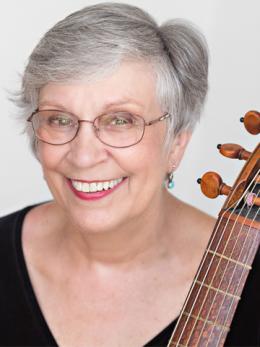
 Imagine spending even a year of your life in jail, and what that would do to you and to those around you. Now imagine it’s for a crime you didn’t commit, and that the punishment stretches on much longer than one year, possibly for decades.