by Jarrett Hoffman
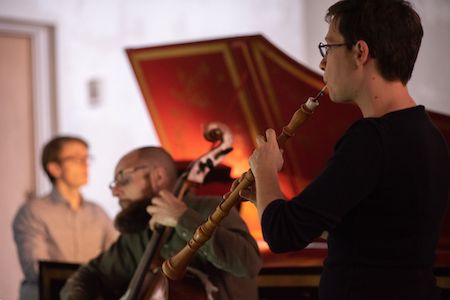 Early on in the pandemic, Baroque oboist and Les Délices artistic director Debra Nagy decided to avoid spending time on social media. It wasn’t just the clickbait articles, or the echo chamber of opinions, or the anxiety that it can provoke in even the best of times.
It was also, as she told me in April, the “sea” of invites to live concerts streamed from living rooms. It was overwhelming. One thing she found nourishing was programming potential concerts, planning for a future where artists could once again “collaborate in meaningful ways.”
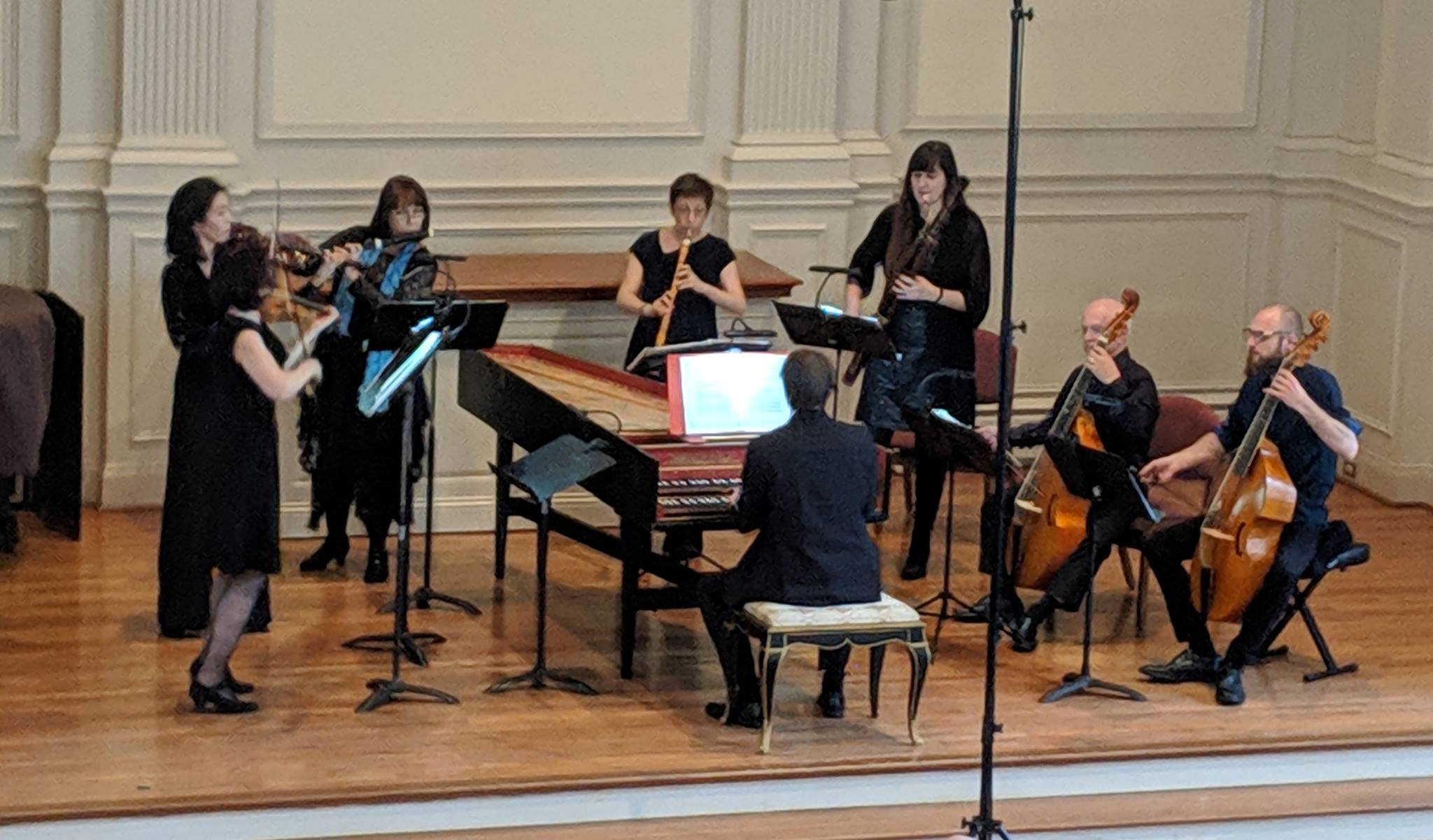
Looking back now, it’s clear that Nagy was always going to find her own unique way to approach music-making in the time of COVID. Enter SalonEra, a free series that begins August 24 and represents one half of Les Délices’ 2020-21 season.
 Live streams, re-broadcasts, digital archives, and YouTube channels — here are some videos of performances to keep you occupied during social distancing.
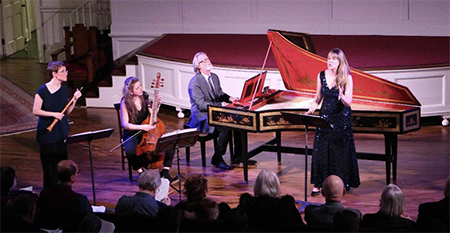
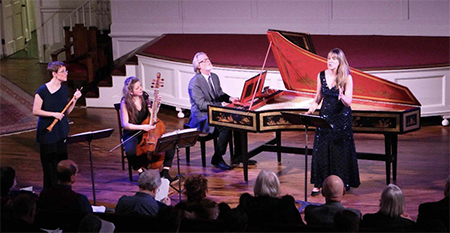
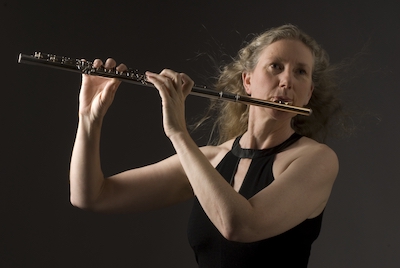
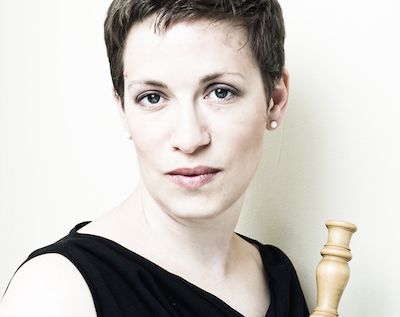 Les Délices has added a new twist to their acclaimed Baroque-jazz fusion program. Previously known as “Songs Without Words” — in the form of both a live concert and a beautiful album from 2018 — it’s now called “Torchsongs Transformed,” and adds soprano Hélène Brunet to the core of Debra Nagy (Baroque oboe), Mélisande Corriveau (viola da gamba and pardessus de viole), and Eric Milnes (harpsichord).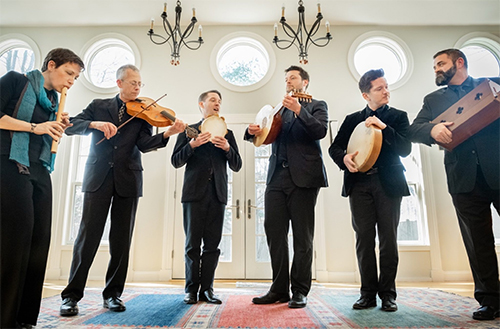
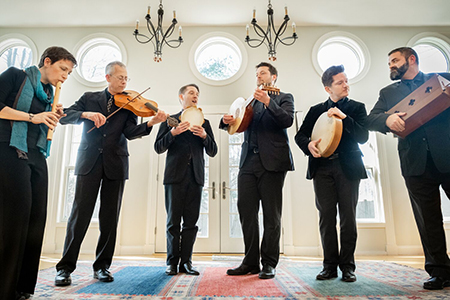 For centuries, people have wanted the things they cannot have, especially when it comes to love. In their current collaborative program, Lessons in Love, Debra Nagy of Cleveland-based Les Délices and Scott Metcalfe of Boston-based Blue Heron have created a musical and philosophical journey that focuses on the late Medieval attitude toward intimacy. The program draws from the narrative poem Roman da la Rose, in which the allegorical character Hope (Esperance) counsels a courtly lover through his amorous pains, guiding him down the path of turning his suffering into delight.
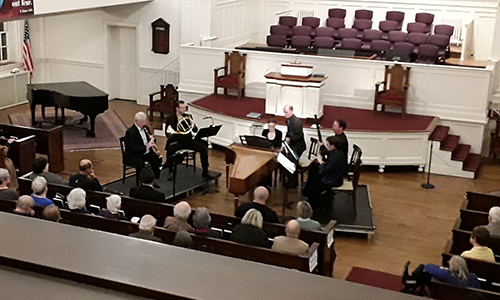 No longer just a French Baroque ensemble, Les Délices has recently branched out into earlier and later musical periods and crossed national borders. In the latest development, founder, artistic director, and oboist Debra Nagy invited fortepianist Sylvia Berry and three period wind instrument colleagues — clarinetist Colin Lawson, bassoonist Wouter Verschuren, and hornist Todd Williams — to join her in well-known quintets from the Viennese Classical period.
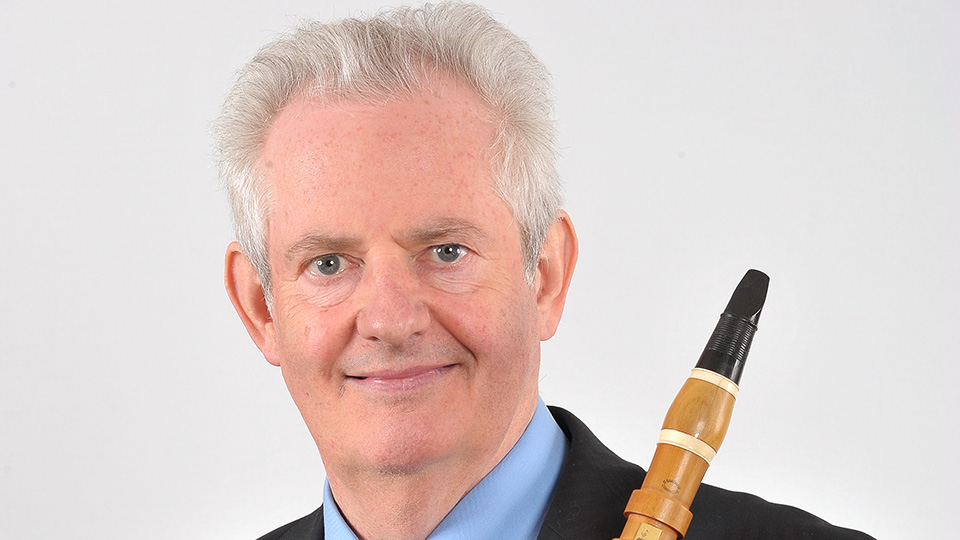 You might expect that someone who’s a leader in their field was hooked from their initial encounter with it. Colin Lawson, described as