



by Stephanie Manning
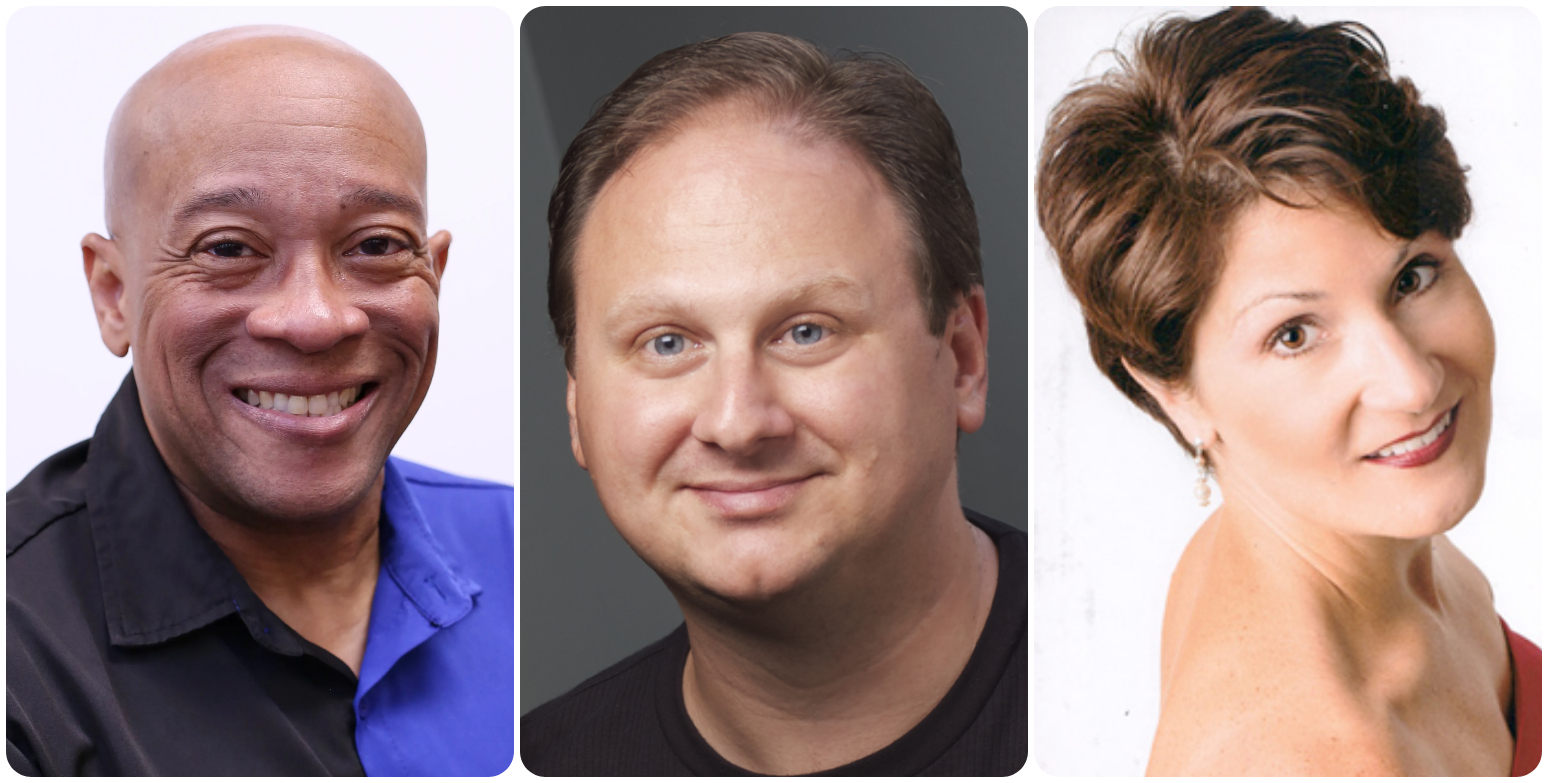 While the team at Chagrin Arts was in talks to bring Blind Injustice to Northeast Ohio, the question of location became increasingly important. “We talked about doing it in different cities, but it became clear that this needs to happen in Cleveland,” tenor Tim Culver said.
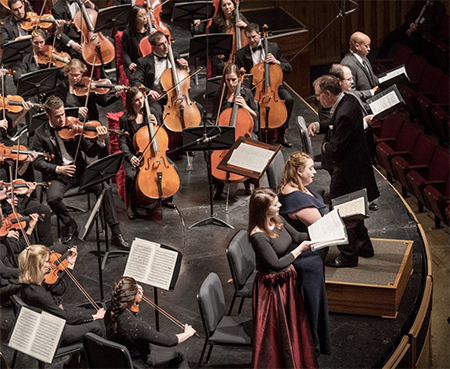
Composed by Scott Davenport Richards with a libretto by David Cote, the 90-minute opera follows the stories of six people who had their convictions overturned with help from the Ohio Innocence Project. Four of them lived in Cleveland or East Cleveland, while the other two lived in neighboring Lorain and Summit counties.
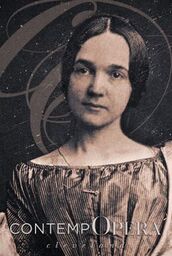 During the Civil War, writer Mary Chesnut — the wife of a senator and Confederate officer — kept a diary where she recorded significant moments in the conflict, wrote about the state of Southern society, and revealed secret feminist and abolitionist views.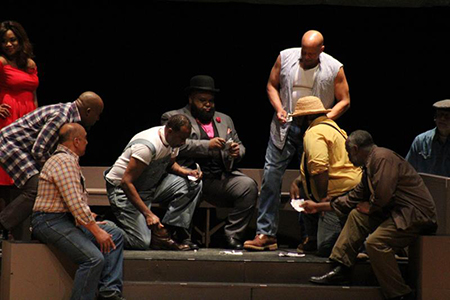
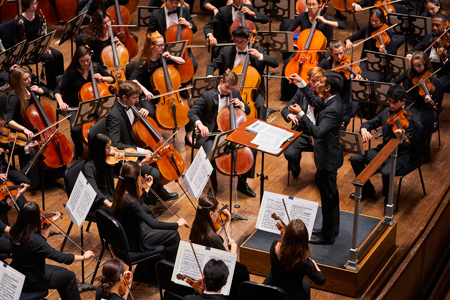
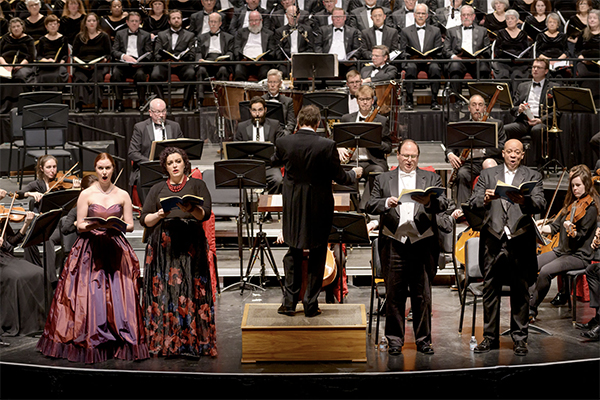
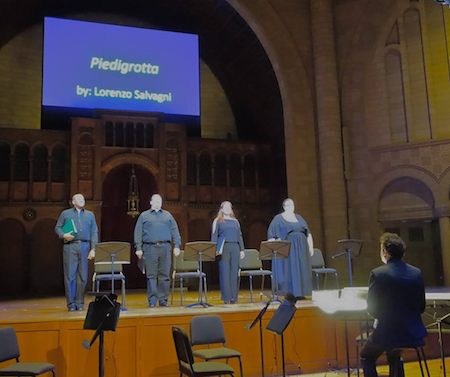 In an age when the word “opera,” to most, means the historical canon — that body of works that recirculate through the world’s houses each year — it bears repeating as often as possible that new efforts in the genre have flourished of late. Thanks to the combined efforts of the Cleveland Opera Theater, the Maltz Performing Arts Center at the Temple-Tifereth Israel, the Cleveland Composers’ Guild, and the Baldwin Wallace and Oberlin Conservatories of Music, Northeast Ohio audiences recently had a chance to hear scenes from three new works-in-progress by area composers and librettists.
 Gian Carlo Menotti’s 1950 cold-war era opera